Chlamydia Test
GetTested’s Chlamydia Test is a discreet at home STI test for anyone who wants to check for Chlamydia trachomatis, one of the most common bacterial sexually transmitted infections.
Chlamydia often causes no noticeable symptoms, which means it can be easy to carry the infection without knowing it. Testing can be especially relevant after unprotected sex, a new sexual partner or if you have symptoms such as discomfort when urinating, unusual discharge or genital irritation.
The test uses a simple dried urine sample collected at home and analyzed in a laboratory. You receive your digital results within 10 to 15 business days.
£39.00
Pre-2pm delivery Tuesday, 27 October.
Discreet, tracked delivery
About Chlamydia Test
Chlamydia Testing and Sexual Health
Chlamydia is transmitted through sexual contact and can affect the urinary and reproductive tract. Because symptoms can be mild, delayed or absent, testing is often the only way to know whether Chlamydia trachomatis may be present.
When symptoms do occur, they may include burning during urination, unusual discharge, pelvic discomfort or irritation in the genital area. Testing can be especially relevant after unprotected sex, a new sexual partner or partner notification.
If left untreated, chlamydia may increase the risk of complications, including reproductive tract complications that can affect fertility. A laboratory based urine test provides a private and practical way to check your status without a clinic visit and can help guide next steps if follow up care, treatment or partner notification is needed.
What This Test Measures
Biomarkers
1 biomarkers
Sample
Urine
Results in
10-15 business days
Format
Lab Test
How It Works
- 1
Order Your Kit
- 2
Collect Your Sample
- 3
Send It Back
- 4
Receive Your Results
Sample Collection
The sample is collected using a simple dried urine sample at home. You collect a small urine sample using the included collection materials and allow the sample to dry before returning it to the laboratory.
This method is practical, hygienic and designed for convenient at home STI testing.
Have Questions?
Chat with our AI assistant for instant answers about this product, usage, or recommendations.
Over 500,000 Customers
4.7 out of 5 based on 3 reviews on this product
£39.00
Chlamydia Test
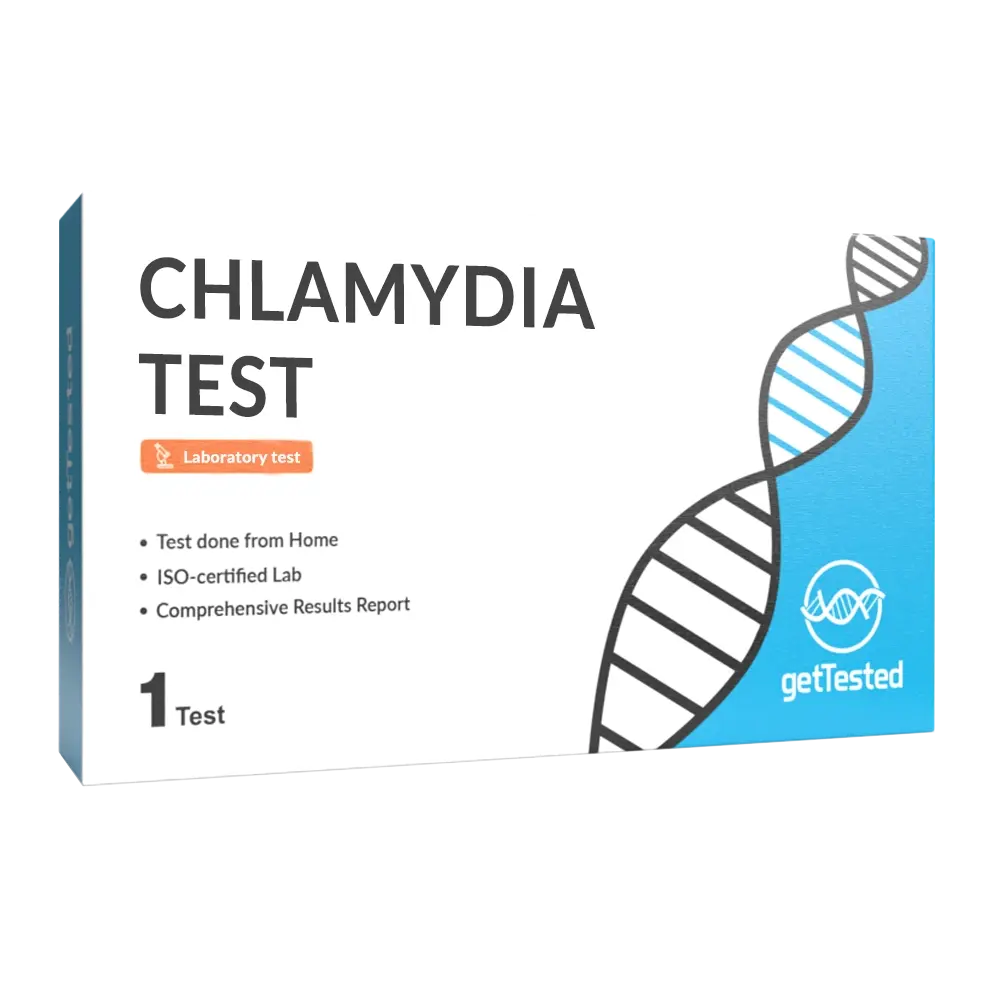
GetTested’s Chlamydia Test is a discreet at home STI test for anyone who wants to check for Chlamydia trachomatis, one of the most common bacterial sexually transmitted infections.
Chlamydia often causes no noticeable symptoms, which means it can be easy to carry the infection without knowing it. Testing can be especially relevant after unprotected sex, a new sexual partner or if you have symptoms such as discomfort when urinating, unusual discharge or genital irritation.
The test uses a simple dried urine sample collected at home and analyzed in a laboratory. You receive your digital results within 10 to 15 business days.
£39.00
Pre-2pm delivery Tuesday, 27 October.
Discreet, tracked delivery
Chlamydia Testing and Sexual Health
Chlamydia is transmitted through sexual contact and can affect the urinary and reproductive tract. Because symptoms can be mild, delayed or absent, testing is often the only way to know whether Chlamydia trachomatis may be present.
When symptoms do occur, they may include burning during urination, unusual discharge, pelvic discomfort or irritation in the genital area. Testing can be especially relevant after unprotected sex, a new sexual partner or partner notification.
If left untreated, chlamydia may increase the risk of complications, including reproductive tract complications that can affect fertility. A laboratory based urine test provides a private and practical way to check your status without a clinic visit and can help guide next steps if follow up care, treatment or partner notification is needed.
What This Test Measures
Biomarkers
1 biomarkers
Sample
Urine
Results in
10-15 business days
Format
Lab Test
How It Works
- 1
Order Your Kit
- 2
Collect Your Sample
- 3
Send It Back
- 4
Receive Your Results
Sample Collection
The sample is collected using a simple dried urine sample at home. You collect a small urine sample using the included collection materials and allow the sample to dry before returning it to the laboratory.
This method is practical, hygienic and designed for convenient at home STI testing.
When should I take a chlamydia test after exposure?
Can you have chlamydia without symptoms?
Is the test discreet?
Chlamydia Test price and what’s included
Price history
Current price
£39.00
Starting price
£39.00
Total change
£0.00
No. of changes
0
Stable Pricing
No hidden fees. The price you see is the price you pay.
Price Lock Guarantee
Your price won't change after purchase.
Have Questions About This Product?
Chat with our AI assistant for instant answers about this product, usage guidelines, or personalized recommendations.
Over 500,000 Customers
4.7 out of 5 based on 3 reviews on this product