Order before 2:00 PM - your package will be shipped the same day!

The symptoms of burning and tingling sensations can include:
The causes of burning and tingling sensations can vary from person to person, and can be influenced by a number of factors including genetics, lifestyle, diet, environmental toxins, stress, and hormonal imbalances. Some common triggers include:
Functional medicine approaches to treating burning and tingling sensations involve identifying and addressing the underlying causes of the condition. Some common treatments include:
Understanding Diabetes
Diabetes, a significant public health concern, arises from high blood sugar levels, often due to reduced insulin levels or insulin resistance. Insulin, crucial for regulating blood sugar, is produced in the pancreas. When this balance is off, symptoms can emerge. Therefore, GetTested's diabetes and blood sugar test provides valuable insights into blood sugar levels, helping to identify potential risks for type-2 diabetes.
The Role of Insulin and Glucose in Diabetes Management
Insulin plays a vital role in maintaining steady blood glucose levels, typically within the range of 3.3 to 7.0 mmol/L. It's essential for converting glucose, the body's primary energy source, into energy. Without insulin, glucose accumulates in the bloodstream, leading to diabetes over time.
Differentiating Between Types of Diabetes
There are two main types of diabetes, each with distinct characteristics:
Type-1 Diabetes This autoimmune condition attacks the pancreas, halting insulin production. Commonly starting at a young age, it necessitates management through insulin injections and regular blood sugar monitoring.
Type-2 Diabetes Alternatively, type-2 diabetes involves reduced insulin production or sensitivity. Consequently, monitoring and managing blood sugar levels are key to preventing the onset of type-2 diabetes.
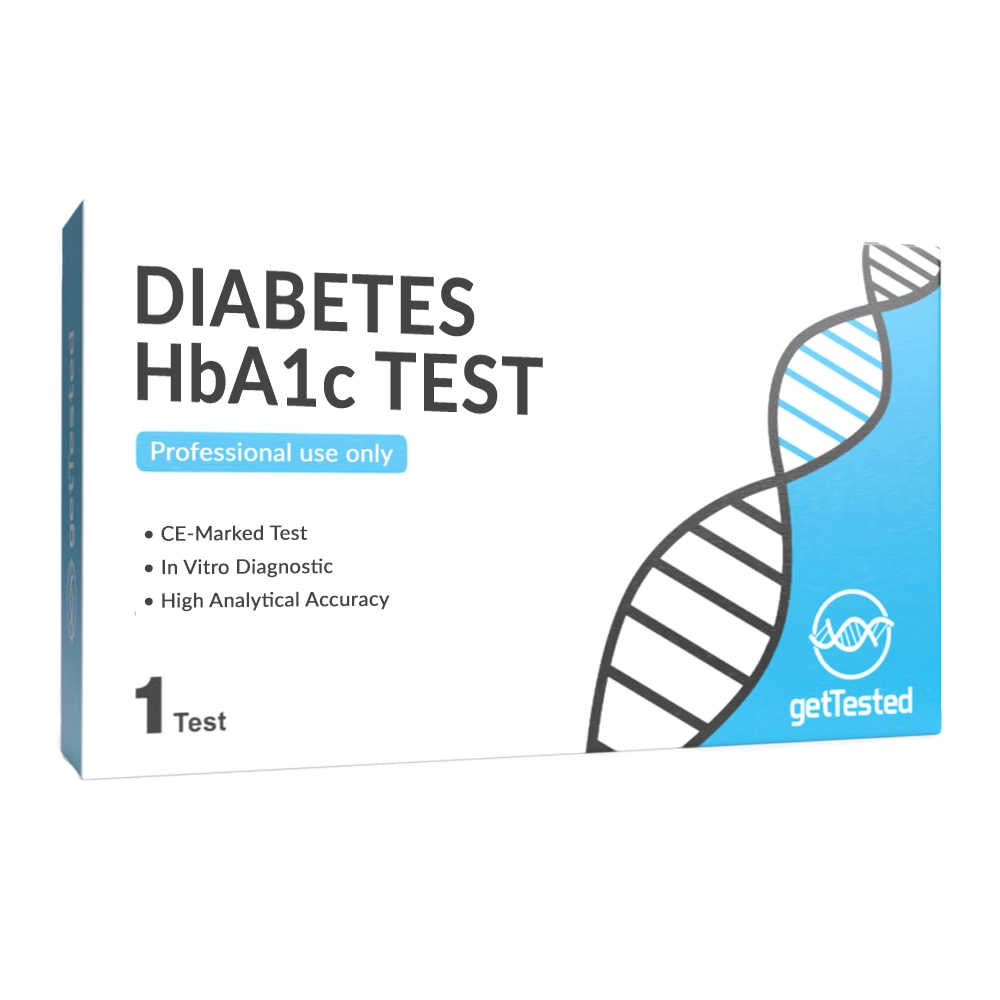
Exploring GetTested's Diabetes Test
The GetTested Diabetes Test offers a detailed overview of your blood sugar levels over time. Including fasting blood sugar and HbA1c levels, it provides a clear picture of your risk for type-2 diabetes.
Identifying Symptoms of Diabetes
Recognizing high blood sugar symptoms is crucial:
Increased thirst and frequent urination signal the body's attempt to regulate sugar levels.
Unusual fatigue and hunger are common signs of fluctuating blood sugar.
Additionally, weight loss, slow healing, skin problems, and tingling sensations can indicate diabetes.
Blurred vision and sexual dysfunction are also noteworthy symptoms.
In contrast, low blood sugar primarily affects individuals with type-1 diabetes, leading to symptoms like fatigue, irritability, and tremors.
Navigating Diabetes Management Effectively
Early stages of diabetes can often be managed with lifestyle changes. Meanwhile, type-1 diabetes requires insulin therapy. On the other hand, type-2 may need medication to enhance insulin sensitivity or insulin treatment in more severe cases. Importantly, GetTested provides the tools and guidance necessary for effective diabetes management.
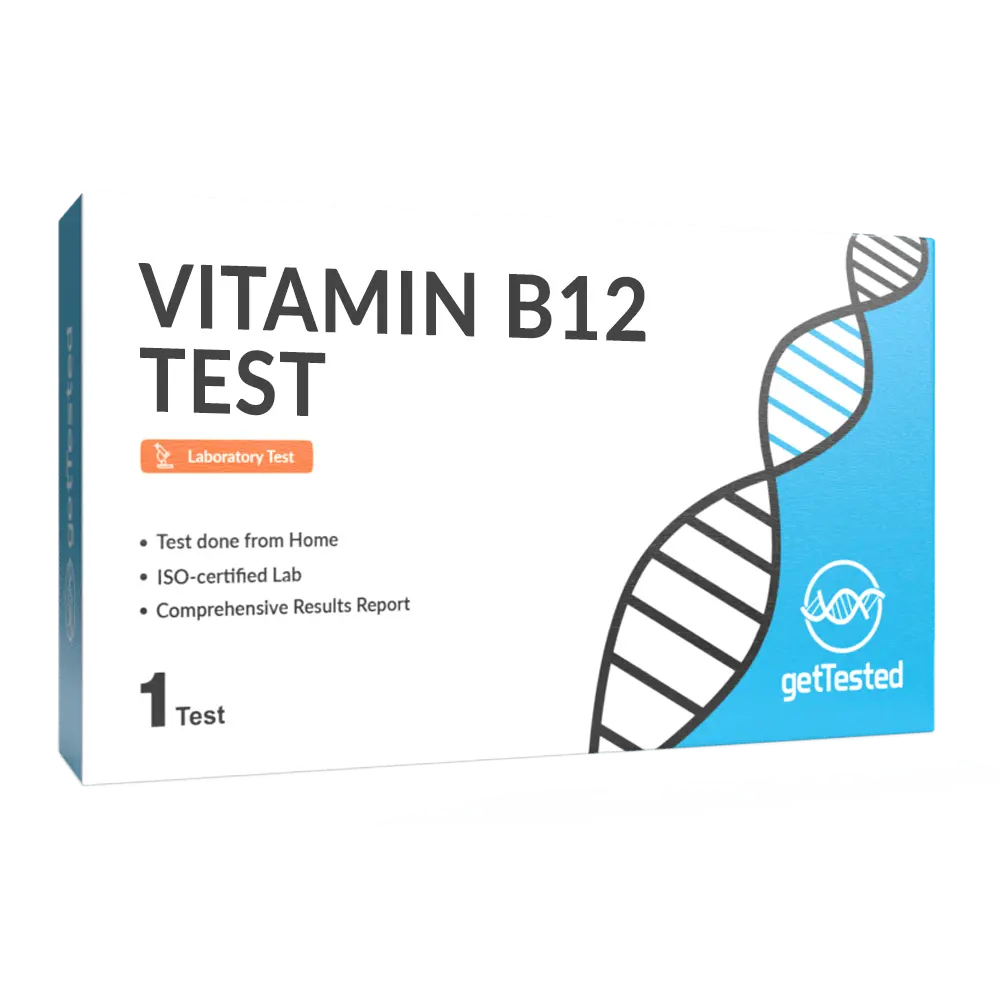
GetTested's Vitamin B12 test
GetTested's Vitamin B12 test is designed to accurately trace for B12 in the blood.
Whereas traditional tests measure the total B12 in the body, encompassing both inactive and active forms, GetTested's Vitamin B12 test specifically measures holotranscobalamin, which is the active form of B12. This marker is more sensitive than MMA (methyl malonate), making it a reliable indicator of B12 deficiency.
Measure your B12 levels with our vitamin b12 test kit, delivered to your door and convenient to use at home. If you suspect you may have a Vitamin B12 deficiency, test for B12 now and quickly gain insights into your health.
About Vitamin B12
Vitamin B12, a crucial water-soluble vitamin, plays a vital role in our bodies. Unlike other vitamins, our body cannot produce B12, making dietary intake essential. There are two forms of Vitamin B12: an active form known as Active B12, bound to the protein transcobalamin, and an inactive form. Cells in the body utilise the active form.
One key function of B12 involves DNA production. Without B12, cells cannot divide properly, hindering the replacement of damaged or malfunctioning cells. B12 also contributes to nerve myelination (creating insulating fats around nerves) and breaks down homocysteine, a by-product of protein metabolism.
B12's Unique Absorption Process
Despite being water-soluble, B12 does not dissolve well in water or fat. Its absorption requires a special mechanism involving the intrinsic factor (IF), produced by stomach wall cells. This factor binds to B12, facilitating its transport through the intestinal wall, into the blood, and eventually to the liver. Here, it is stored or distributed throughout the body.
The liver can store B12 for up to 20 years. Unlike other B vitamins, regular B12 intake isn't necessary if liver reserves are sufficient. However, certain groups, including vegans, alcoholics, and individuals who have had bariatric surgery, face a higher risk of B12 deficiency. This risk arises from a potential reduction in intrinsic factor production, crucial for B12 absorption.
Symptoms of a B12 deficiency
A Vitamin B12 deficiency can cause a variety of symptoms that usually develop gradually. If untreated, these conditions can get worse.
Most common symptoms of vitamin B12 include:
Fatigue and weakness
Shortness of breath
Stomach pain
Diarrhoea
Vitamin B12 deficiency can also have an affect on mental well-being and cause:
Headaches,
Feelings of depression
Anxiety
Problems with memory
Symptoms of this deficiency range from mild (like fatigue and weakness) to more severe issues like heart palpitations, aforementioned mental health problems, and neurological symptoms. These symptoms may progress to pernicious anaemia or nerve-related issues like tingling, muscle weakness, and "burning feet syndrome," a result of inadequate myelin formation around nerves.
Vegans and B12 Deficiency
Vitamin B12 naturally occurs in animal-based foods, placing vegans at a heightened risk of deficiency. For vegans, supplementing B12 is vital. The extent of deficiency largely depends on the liver's stored B12 levels at the time of switching to a vegan diet.

4
1
3
2