Order before 2:00 PM - your package will be shipped the same day!

Your Cart

Subtotal:

Total:

Can't find what you're looking for?

Contact us and we’ll assist you!

contact us

Your Cart

Subtotal:

Total:

Depression & mood swings

Depression and mood swings are common mental health conditions affecting millions worldwide. They can have profound impacts on quality of life and overall wellbeing. Functional medicine, with its holistic, patient-centered approach, offers unique insights into the symptoms, causes, and treatment of these disorders. This approach focuses on identifying and addressing the root causes of disease, viewing the body as an interconnected whole, and promoting overall health and resilience.
dropdown image
Depression & mood swings
symptom

Symptoms of Depression and Mood swings

Depression manifests in a variety of symptoms, including persistent feelings of sadness, hopelessness, and disinterest in previously enjoyable activities. Other symptoms may include fatigue, difficulty focusing, changes in appetite or weight, sleep disturbances, and recurrent thoughts of death or suicide.

Mood swings, on the other hand, refer to rapid and extreme changes in mood. Symptoms might include sudden shifts from feelings of happiness to feelings of sadness, irritability, or anger, often without an identifiable cause.

Causes of Depression and Mood swings

From a functional medicine perspective, depression and mood swings can be linked to several root causes, including nutrient deficiencies, hormonal imbalances, chronic inflammation, and gut microbiome dysbiosis:

  • Nutrient Deficiencies: Certain nutrients play key roles in brain health and mood regulation, including B-vitamins, Omega-3 fatty acids, magnesium, and vitamin D. Deficiencies in these nutrients can contribute to mood disorders.
  • Hormonal Imbalances: Hormones like cortisol, thyroid hormones, and sex hormones influence mood and mental health. Disruptions in these hormones can lead to mood swings and depression.
  • Chronic Inflammation: Inflammation is increasingly recognized as a potential contributor to mental health disorders. Chronic inflammation can affect brain function and mood.
  • Gut Microbiome Dysbiosis: The gut-brain axis plays a crucial role in mental health. Imbalances in the gut microbiome can impact neurotransmitter function and lead to mood disorders.

Treatments of Depression and Mood swings

Functional medicine approaches depression and mood swings with a personalized treatment plan that addresses the underlying causes:

  • Nutrient Supplementation: Based on individual assessments, supplementation with vital nutrients like B-vitamins, Omega-3s, magnesium, and vitamin D may be recommended.
  • Hormone Balancing: Hormonal imbalances may be addressed through lifestyle changes, dietary modifications, or, in some cases, bioidentical hormone therapy.
  • Anti-Inflammatory Interventions: This might include dietary changes (like adopting an anti-inflammatory diet), stress management techniques, and regular physical activity.
  • Gut Health Optimization: Probiotic supplementation, prebiotic foods, and dietary changes can help restore a healthy gut microbiome, thereby supporting mental health.
  • Psychotherapy and Mind-Body Practices: Cognitive-behavioral therapy, mindfulness, yoga, and meditation can help individuals manage stress, improve mood, and support overall mental health.

Your Cart

Subtotal:

Total:

Our top pick for Depression & mood swings

Top pick product
6 items
Recommended
Lab Test
Urine Tests
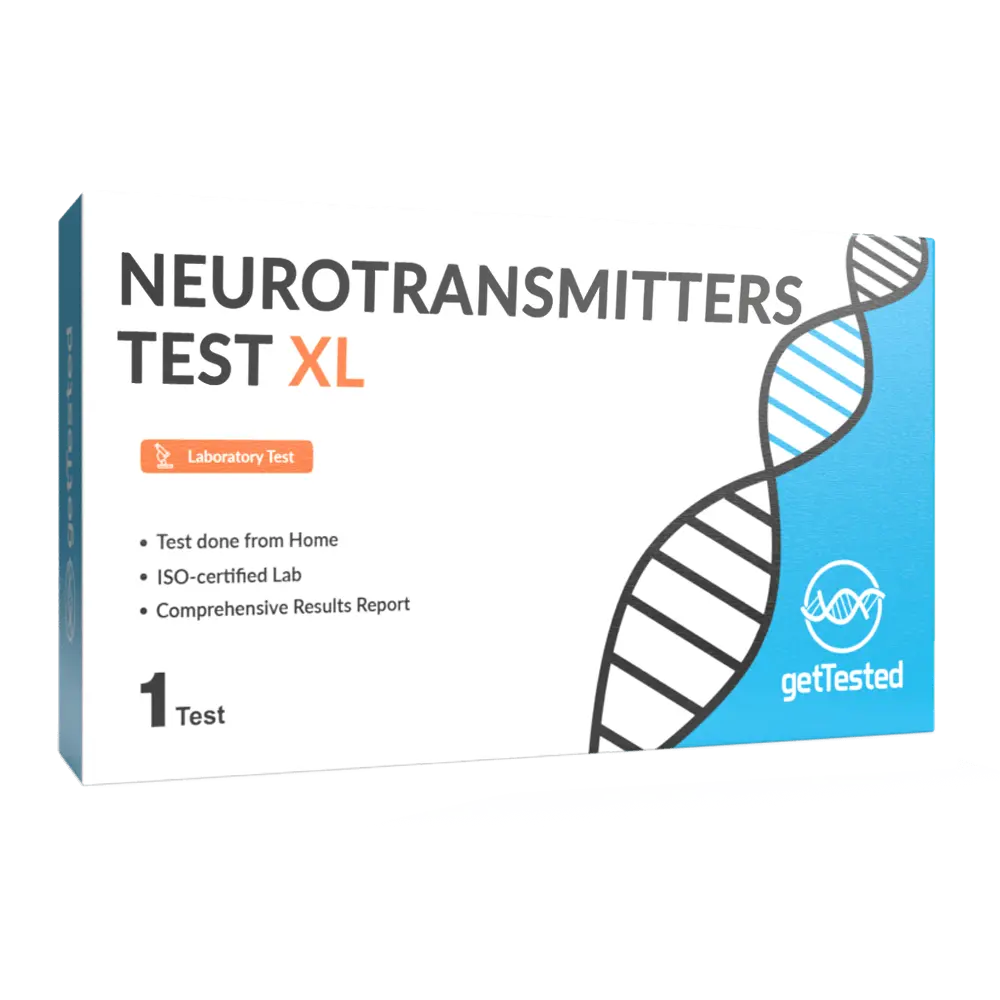
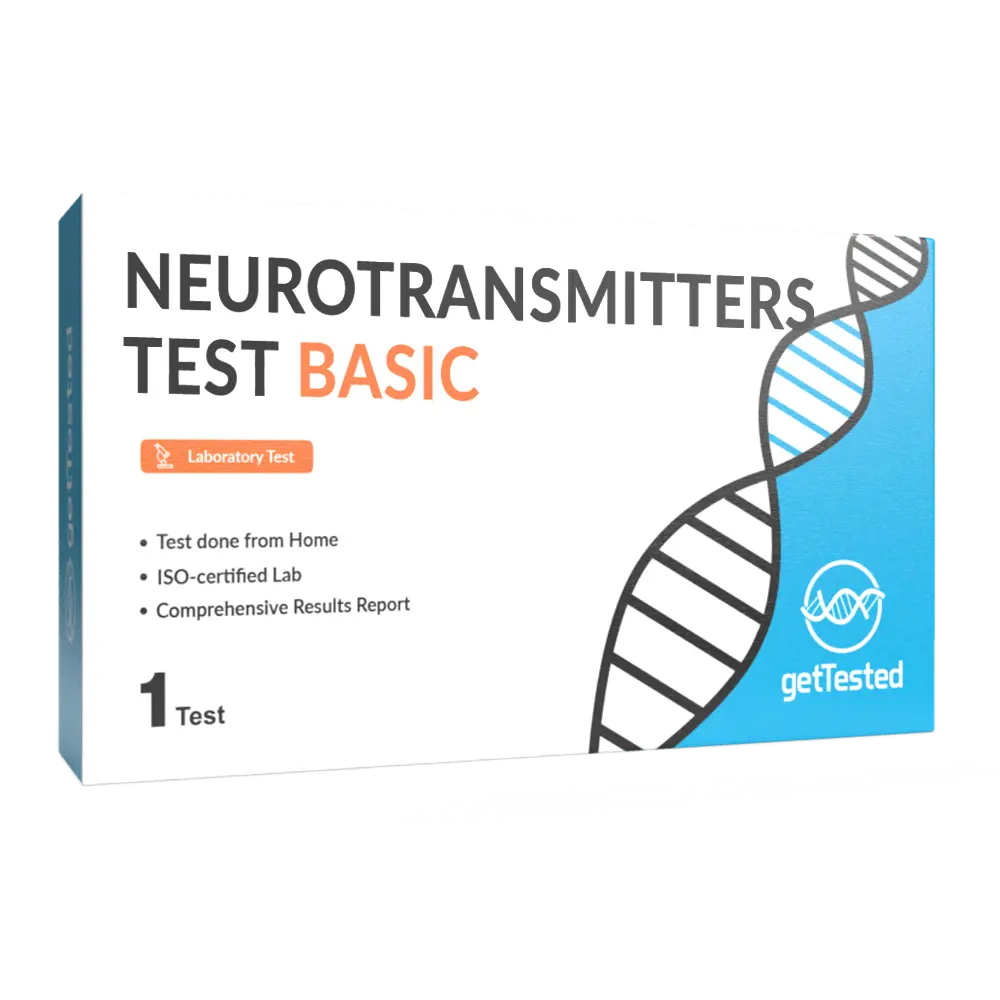
Neurotransmitters Basic

Understanding Neurotransmitters and Their Balance
Neurotransmitters, crucial molecules in our nervous system, transmit signals between nerve cells. They significantly influence our behavior, emotions, and mental health. For instance, imbalances in neurotransmitters can link to depression. Our Neurotransmitters Basic test measures key neurotransmitters: serotonin, dopamine, adrenaline (epinephrine), and noradrenaline (norepinephrine), providing insights into your mental and emotional well-being.
For a more comprehensive analysis including GABA and glutamate, consider the Neurotransmitter Test Plus.
Key Neurotransmitters Analyzed

Serotonin: This neurotransmitter plays a vital role in mood regulation, sleep, appetite, and blood pressure. Initially, acute stress elevates serotonin levels, but chronic stress can deplete them, leading to conditions like depression, anxiety, and insomnia.
Dopamine: Known as the feel-good hormone, dopamine drives our motivation, concentration, and cognitive abilities. It's essential in our reward system, and imbalances can result in issues like depression, restless legs, and compulsive behaviors. Parkinson's disease, characterized by tremors, is also linked to dopamine deficiency.
Adrenaline (Epinephrine): Produced in the adrenal medulla, adrenaline boosts mental activity, heart rate, and blood pressure, particularly in response to stress.
Noradrenaline (Norepinephrine): This neurotransmitter prepares the brain and body for action, increasing blood pressure and enhancing motivation and concentration. It's a precursor to adrenaline and rises with stress.

How the Test Works
You can easily complete our Neurotransmitters Basic test at home. Just fill a tube with your second morning urine sample and send it to our ISO-certified lab. We'll analyze your sample for levels of dopamine, serotonin, adrenaline, noradrenaline, and the adrenaline to noradrenaline ratio.
We also measure creatinine to ensure your urine concentration is normal, as abnormal dilution or concentration can affect the test results. Once the analysis is complete, you'll receive your results digitally.

159.99 GBP
Top pick product
8 items
Recommended
Lab Test
Urine Tests
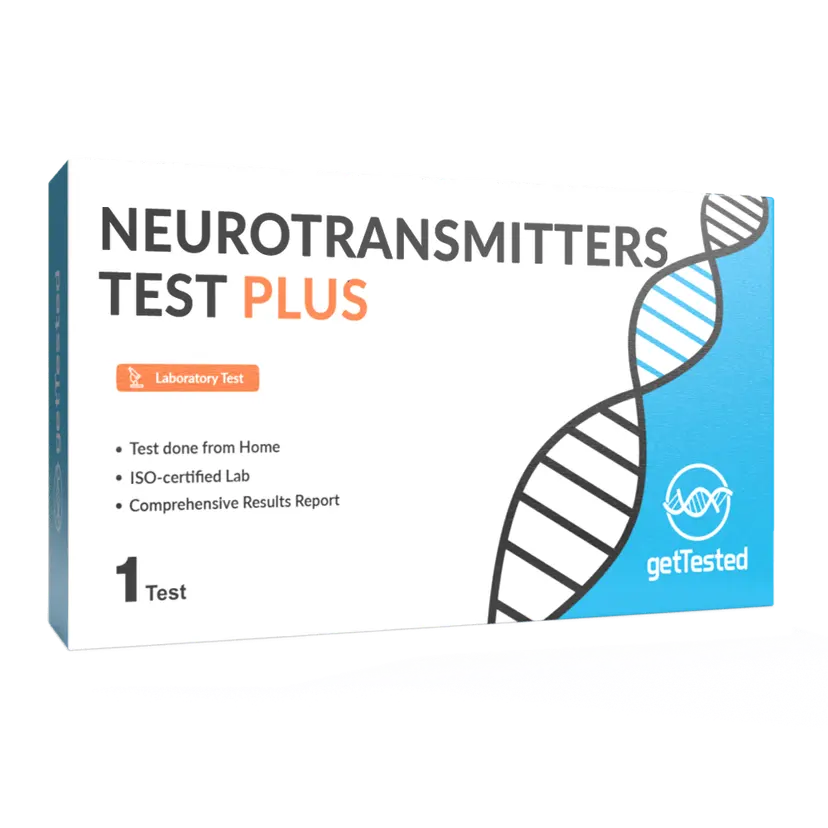
Neurotransmitters Plus

What are Neurotransmitters?
Neurotransmitters, the body's chemical messengers, play a pivotal role in our behavior and emotions. Acute or chronic stress, whether physical or mental, can disrupt their delicate balance. Our Neurotransmitter Plus Test offers an insightful analysis of key neurotransmitters: GABA, glutamic acid, serotonin, dopamine, adrenaline, noradrenaline, and their ratio, providing a comprehensive look into your mental and emotional health.
GABA: The Calming Neurotransmitter
GABA (Gamma Amino Butyric Acid) acts as the central nervous system's primary inhibitory neurotransmitter, crucial for reducing stress responses. It aids in sleep regulation, appetite control, blood pressure, and anxiety reduction. GABA, synthesized from glutamic acid, has a vital role in calming the brain and is available as a supplement for those with low levels.
Glutamic Acid/Glutamate: The Cognitive Enhancer
Glutamic acid, or glutamate, is essential for cognitive functions like learning, memory, and motor skills. As the brain's most abundant excitatory neurotransmitter, it facilitates nerve signal transmission. Prolonged stress can often elevate glutamic acid levels. Besides its neurological role, glutamate is also a common food additive, enhancing flavor in various foods.
Serotonin: Mood and Sleep Regulator
Serotonin significantly impacts mood, sleep, appetite, and blood pressure. It's known for its antidepressant and anxiety-reducing effects, as well as its ability to regulate sleep and appetite. Low levels of serotonin can lead to obesity, depression, anxiety, insomnia, and migraines. Stress affects serotonin production, with levels typically dropping during prolonged stress periods.
Dopamine: The Reward and Motivation Molecule
Dopamine drives motivation, concentration, and cognitive ability. As a critical component of the reward system, it's often referred to as the 'feel-good hormone.' Low dopamine levels are linked to depression, restless legs, and compulsive behaviors. Conversely, high levels can cause memory issues and mood swings. Dopamine imbalances are also associated with addiction.
Adrenaline: The Stress Response Trigger
Produced in the adrenal medulla, adrenaline (epinephrine) boosts mental activity, heart rate, and blood pressure, especially under stress or in threatening situations.
Noradrenaline: Action and Concentration Booster
Noradrenaline (norepinephrine), vital for mobilizing the brain and body for action, increases blood pressure and aids motivation and concentration. It rises with stress and serves as a precursor to adrenaline.
How the Test Works
The Neurotransmitters Plus is a simple, at-home urine test. Just collect your second morning urine in the provided test tube and send it to our ISO-certified lab. You'll receive your digital results promptly after analysis, offering you a detailed view of your neurotransmitter levels.

249.99 GBP
Top pick product
288 genes
Recommended
Lab Test
Saliva Tests
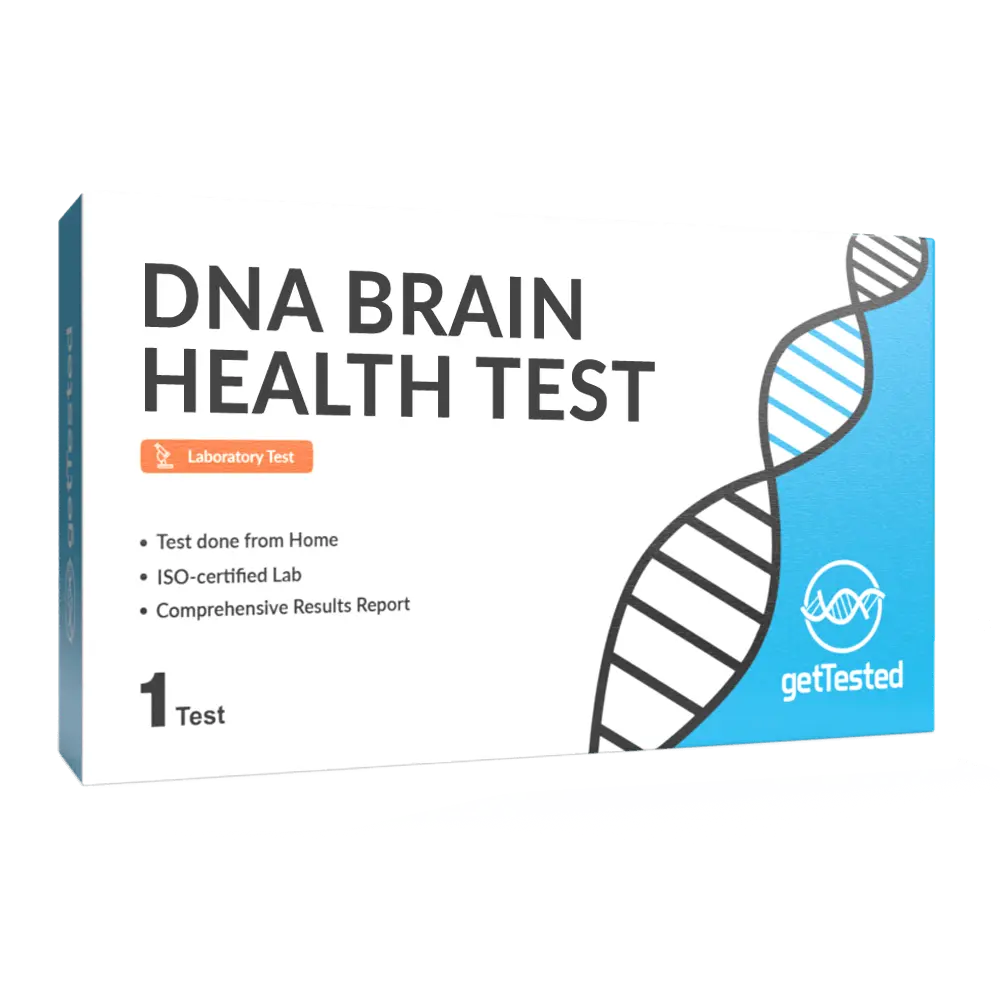
DNA Brain Health Test

DNA Brain Health Test from GetTested
Explore your genetic profile with the DNA Brain Health test from GetTested. This easy-to-perform at-home test, requiring only a saliva sample, provides insights into how your genes affect your mental health. It encompasses memory, cognitive functions, mood swings, and stress management.
Who Is the DNA Test Suitable For?
This test is ideal for anyone wanting to understand how their genetics impact their mental well-being. It is particularly useful for those looking to explore genetic factors behind stress, anxiety, or addictions.
The Testing Process
After collecting your saliva sample at home and sending it back, it takes 6-8 weeks to receive the results. These results provide not only a detailed genetic analysis but also customized recommendations. They help you better understand and manage your mental health.

179.99 GBP
Top pick product
6 items
Recommended
Lab Test
Saliva Tests
Women’s Hormone Test

The Role of Hormones
Progesterone, estrogen, testosterone, DHEA, and cortisol each play unique roles in the body, affecting everything from brain function to stress response.
Who Should Take This Test?
This test is ideal if you want a comprehensive view of your hormones, including cortisol. Men should opt for the Men's Hormone Test.
Common Symptoms of Hormonal Imbalances
You might experience mood swings, depression, PMS, irregular periods, PCOS, infertility, menopausal symptoms, endometriosis, low libido, tender breasts, heavy periods, brain fog, impaired memory, weight gain, osteoporosis, vaginal dryness, headaches, and loose stools before and during menstruation, among other symptoms.
DHEA: A Versatile HormoneDehydroepiandrosterone (DHEA), or androstenolone, is a hormone that converts into both testosterone and estrogen. It's so potent that excessive doses classify as performance-enhancing drugs. DHEA peaks in our 20s and then gradually declines post-30. It boosts mental and physical performance, energy, memory, muscle mass, skin quality, body odor, bone mass, and puberty development, while keeping us young and healthy.
Cortisol: The Stress HormoneOur test measures your morning cortisol levels. For diurnal cortisol measurement, we recommend the Cortisol Test, taken 7 times throughout the day. Cortisol, a stress hormone from the adrenal glands, boosts physical and mental performance in stressful situations. Both high and low levels can be problematic.
Estrogen: Key to FertilityThe Women's Hormone Test measures estradiol (E2) and its ratio to progesterone. Estradiol, the most crucial estrogen, is known as the fertility hormone in women.
Progesterone: More Than a Sex HormoneProgesterone, primarily a female sex hormone, influences fertility and is a precursor to sex hormones testosterone, estrogen, and cortisol. It's vital for the central nervous system. Its levels fluctuate during the menstrual cycle and increase post-ovulation.
Testosterone in WomenThough often seen as a male hormone, women need testosterone for energy, libido, and muscle building. Women with PCOS often have higher testosterone levels.
How to Take the Women's Hormone Test
Perform this saliva test at home by taking two samples: one immediately after waking up and another 30 minutes later. If menstruating, collect samples a week post-ovulation, around day 21. In or post-menopause, timing is more flexible. After collection, send the samples to our lab. You will receive your results online.

159.99 GBP
Top pick product
29 items
Recommended
Lab Test
Stool Tests
Gut Microbiome Test XL

GetTested's Gut Microbiome Test XL
GetTested's Gut Microbiome Test XL is our most detailed test for assessing gut health. It checks for leaky gut, yeast overgrowths like Candida, and beneficial bacteria such as Lactobacillus and Bifidobacterium. Additionally, this test evaluates your digestion, inflammation markers, and more.
Why "Gut Test for Stressed People"?
At GetTested, we often refer to this test as perfect for those experiencing stress. Stress affects energy, mood, and notably, digestion. It triggers the sympathetic nervous system and dampens the parasympathetic system, disrupting digestive functions. An unbalanced gut can significantly affect overall body health, highlighting the 'Gut-Brain connection'. Studies link gut health with mental conditions, including depression, autism, Parkinson's, and Alzheimer's.
Understanding Leaky Gut
The term 'leaky gut' refers to a condition where the intestinal lining becomes overly permeable. This allows particles like undigested food and bacteria to seep into the bloodstream. The immune system reacts to these foreign substances, potentially leading to conditions like hypothyroidism, psoriasis, multiple sclerosis, allergies, IBS, and various autoimmune diseases. Symptoms range from food intolerances and fatigue to brain fog, skin problems, and depression. Testing for leaky gut is essential in identifying and managing these health issues.
Who Should Take GetTested's Gut Microbiome Test XL?
Anyone looking for a thorough analysis of their gut health will find this test beneficial. It's especially useful for those with digestive issues like IBS, Crohn's, ulcerative colitis, weight challenges, Parkinson's, Alzheimer's, depression, or those just wanting to optimize their overall health.
This test is not suitable for babies or children below the age of 6 years old.
How to Take the Test
All of GetTested's health tests, including this stool test, are designed for easy at-home use. The test kit includes everything needed. After completing the test, send it to our ISO-certified lab. Your digital results will be promptly sent to you.

279.99 GBP
Content

Symptoms of Depression and Mood swings

Causes of Depression and Mood swings

Treatments of Depression and Mood swings

Our top pick for Depression & mood swings

Symptoms of Depression and Mood swings

Causes of Depression and Mood swings

Treatments of Depression and Mood swings

Our top pick for Depression & mood swings
girl-img

Understand the root cause:

Take a test today to always perform at your max

Take actions to see improvements

4

1

Select your test

Get teted Slide in black and white

Get your results

3

2

Do the test from home

Trusted by over 100.000+ customers

star-image
card-swiper-image
star-image

The home test was straightforward with easy to follow instructions. The test result was detailed and clear in its presentation. Also had the opportunity to ask questions about the test result.

Richard

card-swiper-image
star-image

We looked at a lot of companies offering the same services but made the decision to go forward with get tested because the labs are based here in the UK. The process has been very straight forward.

Natasha

card-swiper-image
star-image

There are other providers out there, I have tried 3. Gettested was the fastest and the customer service was the best. I even received my test on the day of purchase delivered by a motorbike courier.

Alan

card-swiper-image
star-image

Absolutely perfect, results came after few days and finally after a lots of times visited GP, we finally know why my son has eczema - he is allergy to carrot. Thanks a lot.

E

card-swiper-image
star-image

I found them to be professional and not too long a wait for results. Helpful with any after questions. Will be using them again if need be. I highly recommend them.

Eileen