Order before 2:00 PM - your package will be shipped the same day!

Your Cart

Subtotal:

Total:

Can't find what you're looking for?

Contact us and we’ll assist you!

contact us

Your Cart

Subtotal:

Total:

Insomnia

Insomnia often indicates issues like stress, hormonal imbalances, or poor sleep habits. Common symptoms include difficulty falling or staying asleep. Addressing factors such as stress reduction, sleep environment improvement, and dietary changes can effectively combat insomnia. This approach focuses on holistic well-being to promote better sleep.
dropdown image
Insomnia
symptom

Symptoms of Insomnia

Insomnia can present in many different ways, depending on the individual and the severity of the condition. Some common symptoms of insomnia include:

  • Difficulty falling asleep or staying asleep
  • Waking up too early in the morning
  • Feeling tired or groggy upon waking
  • Difficulty concentrating or focusing
  • Irritability or mood changes
  • Fatigue or lack of energy during the day

Causes of Insomnia

Insomnia can be caused by a variety of factors, including:

  • Chronic stress and emotional trauma
  • Nutritional deficiencies
  • Hormonal imbalances
  • Environmental toxins
  • Genetic predisposition
  • Medical conditions such as sleep apnea or restless leg syndrome
  • Side effects of medications or treatments

Treatments for Insomnia

The treatment of insomnia from a functional medicine perspective typically involves a combination of lifestyle changes, dietary modifications, and targeted supplements or medications. Some common treatments for insomnia may include:

  • Stress reduction techniques such as meditation or yoga
  • Dietary changes such as reducing sugar and caffeine intake and increasing consumption of whole foods
  • Nutritional supplementation with key nutrients such as magnesium, melatonin, and valerian root
  • Balancing hormones through targeted supplementation or medication
  • Reducing exposure to environmental toxins
  • Addressing underlying inflammation or infection through targeted supplementation or medication
  • Improving sleep hygiene and addressing underlying sleep disorders such as sleep apnea or restless leg syndrome
Your Cart

Subtotal:

Total:

Our top pick for Insomnia

Top pick product
7 measurements
Recommended
Lab Test
Saliva Tests
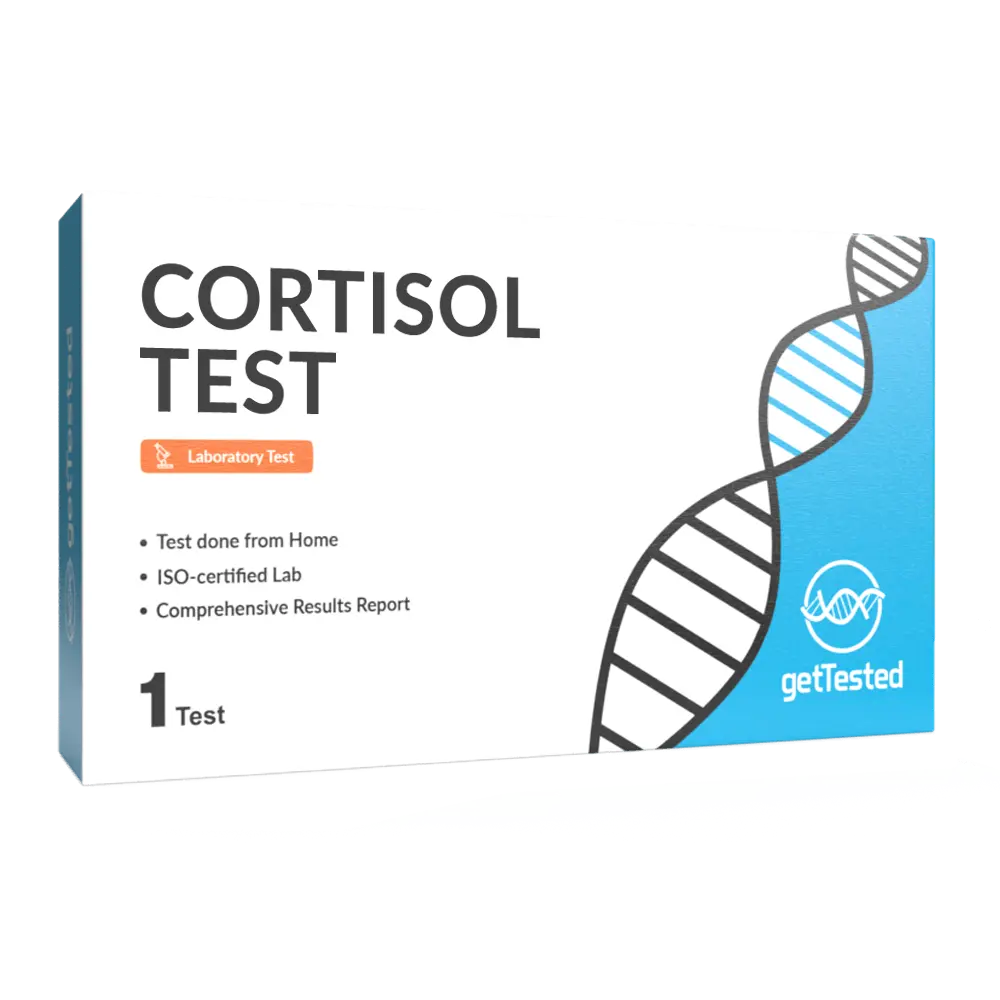
Cortisol Test

About Cortisol
Cortisol is a stress hormone that is released when we are exposed to physical or mental stress. Cortisol is produced in the adrenal glands and helps you perform better physically and mentally in situations that the body perceives as acute stress. In the distant past, stress was a natural reaction to protect yourself from predators, whereas nowadays stress takes on a different form. Today, our stress comes from a modern setting, such as stress about paying the bills.
 
The stress we experience in today’s society often becomes chronic stress. This means high levels of cortisol building up in the body for long periods of time. This causes high levels of cortisol which is harmful and dangerous to the body, resulting in high blood pressure and high blood sugar which can cause type-2 diabetes.
 
However, too little cortisol in the body is not good either. If the cortisol levels become really low, the urine excretes large amounts of sodium, which can lead to life-threatening conditions. 
 
It is important to know if you are at a risk of being affected by any of these conditions. By taking GetTested’s Cortisol test, you can get an indication of your cortisol levels and take adequate measures to prevent cortisol disorders. 
The function of cortisol
Cortisol has a variety of functions in our body. In acute stressful situations, cortisol secretion helps you perform better, both physically and mentally. Cortisol is also important for the movement of the intestines and controls the body’s metabolism of sugar, fat and protein. With its anti-inflammatory effect, cortisol counteracts the function of the immune system, which makes us more susceptible to infections.
Your cortisol level is not always related to your stress level. Physical activity also increases cortisol secretion in the body, but unlike secretion during stress, cortisol instead reduces inflammation that occurs on the muscles. In the medical world, cortisol is best known for its anti-inflammatory and muscle-degrading effects in the treatment of inflammatory diseases, and this is then treated by adding cortisone.
Cortisol also controls the immune system and reduces swelling in allergies and insect bites. Therefore, Cortisol is a vital hormone for our wellbeing. 
Cortisol fluctuations 
Cortisol levels should be at the highest in the morning and lowest at night. The metabolism of fats, sugars and proteins is all controlled by the cortisol.  The amount of cortisol itself depends on what you do and how much stress you put on yourself. Stress can raise the cortisol levels, as well as being injured, having fever, infections or too high adrenaline. 
Symptoms of high cortisol:
In the long run, however, high levels are harmful to the body and with high levels of cortisol for a long time, fat burning decreases and impairs insulin sensitivity, which in the long run can lead to obesity and type-2 diabetes.

Fatigue
Low libido
Weight gain
Difficulty sleeping
High blood pressure
Poor immune function

Symptoms of low cortisol:
Low levels of cortisol can lead to menstrual disorders, muscle weakness and general mental illness, as well as cortisol inhibiting inflammation. In more rare and extreme cases, low cortisol can lead to adrenal insufficiency (also known as Addison’s disease). In such cases, the body does not make enough hormones. Diseases like Addison’s disease can cause life-threatening conditions and usually need to be medicated, but “Milder” conditions still cause a huge stress on the body and mind and should not be left untreated.
The most common symptoms of low cortisol are: 

Menstrual disorders
Fatigue
Muscle weakness
Low blood pressure
Loss of appetite
Nausea

Cortisol blood test vs cortisol saliva test
GetTested’s Cortisol Test measures your cortisol levels from your saliva instead of blood, making it a lot more convenient to use. For example, people with naturally cold hands may experience difficulty acquiring blood from pricking their finger, which makes a blood test not ideal. It is also more comfortable for people who are sensitive to blood and needles. 
Testing cortisol throughout the day
GetTested’s Cortisol Test measures bioavailable and free cortisol at seven points throughout the day, combining the first morning values into one, resulting in five reported values. Cortisol is released in response to physical or mental stress, enhancing physical and mental performance under short-term stress. However, consistently high cortisol levels can be harmful, while low levels can also pose health problems. This test is especially useful for those experiencing chronic stress, fatigue, or other stress-related symptoms.
For a comprehensive hormonal assessment, DHEA—another hormone affected by stress—is often measured alongside cortisol. Our DHEA Saliva Test can provide additional insights into your stress response and hormonal balance.

69.99 GBP
Top pick product
1 item
Recommended
Lab Test
Saliva Tests
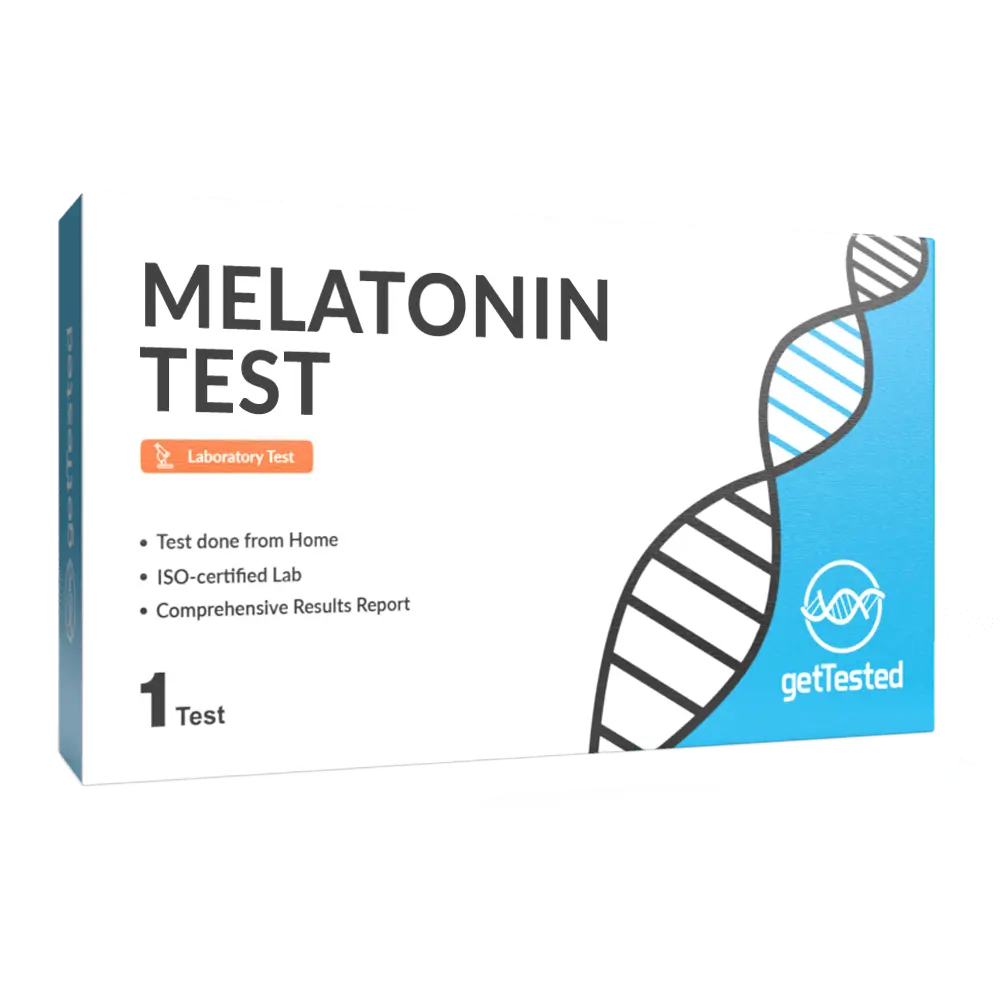
Melatonin Test

About melatonin
Melatonin is a hormone produced in the pineal gland, the epiphysis of the brain, and its function is primarily to help control our circadian rhythm. The secretion of melatonin makes us sleepy and the levels varies during the day and is affected by light and darkness. The level increases at dusk and is at its highest at night and at its lowest during the day when the light is at its strongest. Some people have too low melatonin production which makes it difficult for them to fall asleep. If you suffer from sleep problems, there are good reasons to test your levels and if our test shows low levels, there are supplements to buy to get your levels up.
Melatonin also helps the body regulate other hormones, our blood pressure and body temperature, as well as acts as an antioxidant and has immune promoting properties. There are also links between low levels of melatonin and depression and premature aging.
Melatonin deficiency
Melatonin is a hormone that is created from the amino acid tryptophan and that the body itself produces in the pineal gland. When the levels of melatonin rise towards the evening, it gives the body a signal that it's time to sleep which makes you drowsy and tired. If melatonin production is disturbed, you may have difficulty sleeping. Sleep disorders can be caused by various factors such as blindness, jet lag, menopause, rising age, shift work and more. To overcome the sleep problems, you can take extra melatonin in the form of supplements or medication.
The production of melatonin is affected by, among other things, artificial lighting, hard training late in the day, the cycles of the year and aging. By measuring and identifying any imbalances, you can initiate the right treatment to improve melatonin production.

79.99 GBP
Top pick product
8 items
Recommended
Lab Test
Urine Tests
Neurotransmitters Plus

What are Neurotransmitters?
Neurotransmitters, the body's chemical messengers, play a pivotal role in our behavior and emotions. Acute or chronic stress, whether physical or mental, can disrupt their delicate balance. Our Neurotransmitter Plus Test offers an insightful analysis of key neurotransmitters: GABA, glutamic acid, serotonin, dopamine, adrenaline, noradrenaline, and their ratio, providing a comprehensive look into your mental and emotional health.
GABA: The Calming Neurotransmitter
GABA (Gamma Amino Butyric Acid) acts as the central nervous system's primary inhibitory neurotransmitter, crucial for reducing stress responses. It aids in sleep regulation, appetite control, blood pressure, and anxiety reduction. GABA, synthesized from glutamic acid, has a vital role in calming the brain and is available as a supplement for those with low levels.
Glutamic Acid/Glutamate: The Cognitive Enhancer
Glutamic acid, or glutamate, is essential for cognitive functions like learning, memory, and motor skills. As the brain's most abundant excitatory neurotransmitter, it facilitates nerve signal transmission. Prolonged stress can often elevate glutamic acid levels. Besides its neurological role, glutamate is also a common food additive, enhancing flavor in various foods.
Serotonin: Mood and Sleep Regulator
Serotonin significantly impacts mood, sleep, appetite, and blood pressure. It's known for its antidepressant and anxiety-reducing effects, as well as its ability to regulate sleep and appetite. Low levels of serotonin can lead to obesity, depression, anxiety, insomnia, and migraines. Stress affects serotonin production, with levels typically dropping during prolonged stress periods.
Dopamine: The Reward and Motivation Molecule
Dopamine drives motivation, concentration, and cognitive ability. As a critical component of the reward system, it's often referred to as the 'feel-good hormone.' Low dopamine levels are linked to depression, restless legs, and compulsive behaviors. Conversely, high levels can cause memory issues and mood swings. Dopamine imbalances are also associated with addiction.
Adrenaline: The Stress Response Trigger
Produced in the adrenal medulla, adrenaline (epinephrine) boosts mental activity, heart rate, and blood pressure, especially under stress or in threatening situations.
Noradrenaline: Action and Concentration Booster
Noradrenaline (norepinephrine), vital for mobilizing the brain and body for action, increases blood pressure and aids motivation and concentration. It rises with stress and serves as a precursor to adrenaline.
How the Test Works
The Neurotransmitters Plus is a simple, at-home urine test. Just collect your second morning urine in the provided test tube and send it to our ISO-certified lab. You'll receive your digital results promptly after analysis, offering you a detailed view of your neurotransmitter levels.

249.99 GBP
Content

Symptoms of Insomnia

Causes of Insomnia

Treatments for Insomnia

Our top pick for Insomnia

Symptoms of Insomnia

Causes of Insomnia

Treatments for Insomnia

Our top pick for Insomnia
girl-img

Understand the root cause:

Take a test today to always perform at your max

Take actions to see improvements

4

1

Select your test

Get teted Slide in black and white

Get your results

3

2

Do the test from home

Trusted by over 100.000+ customers

star-image
card-swiper-image
star-image

The home test was straightforward with easy to follow instructions. The test result was detailed and clear in its presentation. Also had the opportunity to ask questions about the test result.

Richard

card-swiper-image
star-image

We looked at a lot of companies offering the same services but made the decision to go forward with get tested because the labs are based here in the UK. The process has been very straight forward.

Natasha

card-swiper-image
star-image

There are other providers out there, I have tried 3. Gettested was the fastest and the customer service was the best. I even received my test on the day of purchase delivered by a motorbike courier.

Alan

card-swiper-image
star-image

Absolutely perfect, results came after few days and finally after a lots of times visited GP, we finally know why my son has eczema - he is allergy to carrot. Thanks a lot.

E

card-swiper-image
star-image

I found them to be professional and not too long a wait for results. Helpful with any after questions. Will be using them again if need be. I highly recommend them.

Eileen