Order before 2:00 PM - your package will be shipped the same day!

The symptoms of memory loss can include:
The causes of memory loss can vary from person to person, and can be influenced by a number of factors including genetics, lifestyle, diet, environmental toxins, stress, and hormonal imbalances. Some common triggers include:
Functional medicine approaches to treating cognitive decline and memory loss involve identifying and addressing the underlying causes of the condition. Some common treatments include:
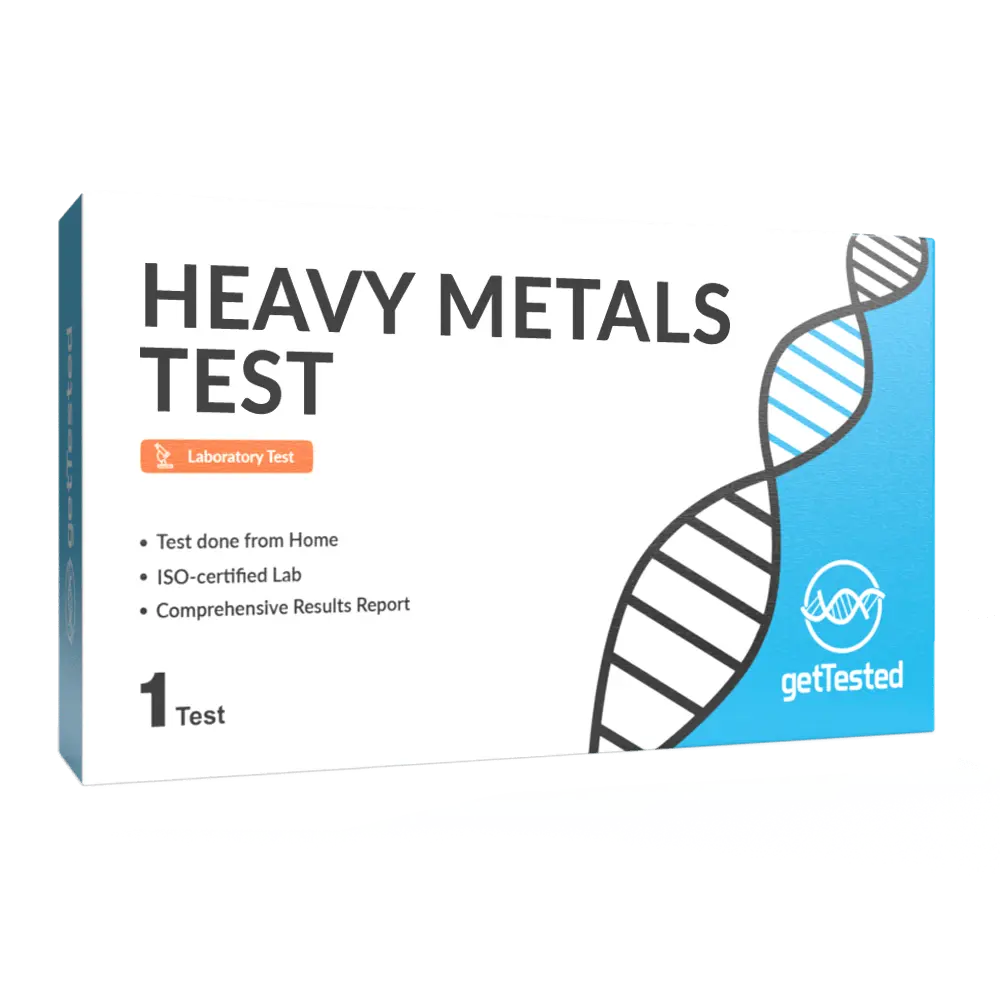
Who Should Take the Heavy Metals Test?
Heavy metals can be hidden culprits behind various imbalances and diseases. Since they accumulate in tissues and organs, causing diverse symptoms, it can be challenging to link these issues to a toxic load in the body. For instance, symptoms or diseases where a heavy metal test may be relevant include hormonal imbalances (ranging from thyroid issues to PMS and mood swings), autism, skin problems, Alzheimer’s/dementia, Parkinson's, autoimmune diseases, and liver and kidney problems.
Furthermore, about Heavy Metals, metals such as arsenic, cadmium, lead, mercury, and aluminum generate numerous free radicals in our bodies. Many researchers believe these radicals are the root cause of several chronic diseases.
What Are Heavy Metals?
Essentially, heavy metals are unchelated, ionically charged metals. Examples include arsenic, cadmium, lead, nickel, aluminum, mercury, and iron. Electromagnetically active, these metals can accumulate in the body, creating significant amounts of free radicals. Primarily, they come from environmental pollutants that humans ingest or inhale, contaminating our soils and watercourses. In the body, heavy metals can disrupt the brain, kidneys, and immune system, leading to a variety of severe symptoms. However, these symptoms can range widely, from fertility issues to eczema, and mental health issues such as depression, anxiety, and restlessness.
How Do Heavy Metals Damage Our Bodies?
Significantly, heavy metals are among the most severe health threats today. Toxic to our bodies, they mainly originate from environmental pollutants. For example, cars and industries release lead into the air, which we subsequently inhale. Our food, waterways, and soils often contain substantial amounts of lead. Moreover, pesticides, cigarette smoke, and pencils are other common sources of lead exposure. Predominantly, we find mercury in amalgam fillings, fish, and cosmetics, while aluminum is present in products like deodorants, stomach acid medicines, and aluminum pots.
When heavy metals accumulate in our bodies, they target the brain, kidneys, and immune system. Subsequently, they create vast amounts of free radicals that disrupt and damage various functions. Free radicals are unstable atoms that trigger chain reactions, potentially causing cell damage, DNA changes, and diseases like cancer. Not only do these radicals accelerate aging, but they also contribute to chronic diseases such as asthma, allergies, MS, Parkinson's, rheumatism, arthritis, diabetes, and cardiovascular diseases.
Particularly, mercury is a highly toxic heavy metal that poses a significant challenge, as the body struggles to produce antitoxins against it. Consequently, this leads to disrupted energy production within nerve cells, ultimately poisoning and killing them.
What Can Be Done to Avoid Heavy Metals?
To minimize heavy metal exposure, it's crucial to surround yourself in a clean environment and reduce contact with these elements. Natural products like chlorella, spirulina, seaweed, garlic, fiber products, and intestinal cleansing programs can assist the body in eliminating heavy metals. Additional recommendations include removing amalgam fillings, replacing aluminum cookware with stainless steel, using natural deodorants and cosmetics without aluminum, and avoiding aluminum-containing gastric acid-reducing preparations.
How to Take the Heavy Metals Test
Conveniently, the test is a urine test that you can easily conduct at home. After collecting the sample, simply send it to our lab for analysis. Rest assured, you will receive your test results digitally.
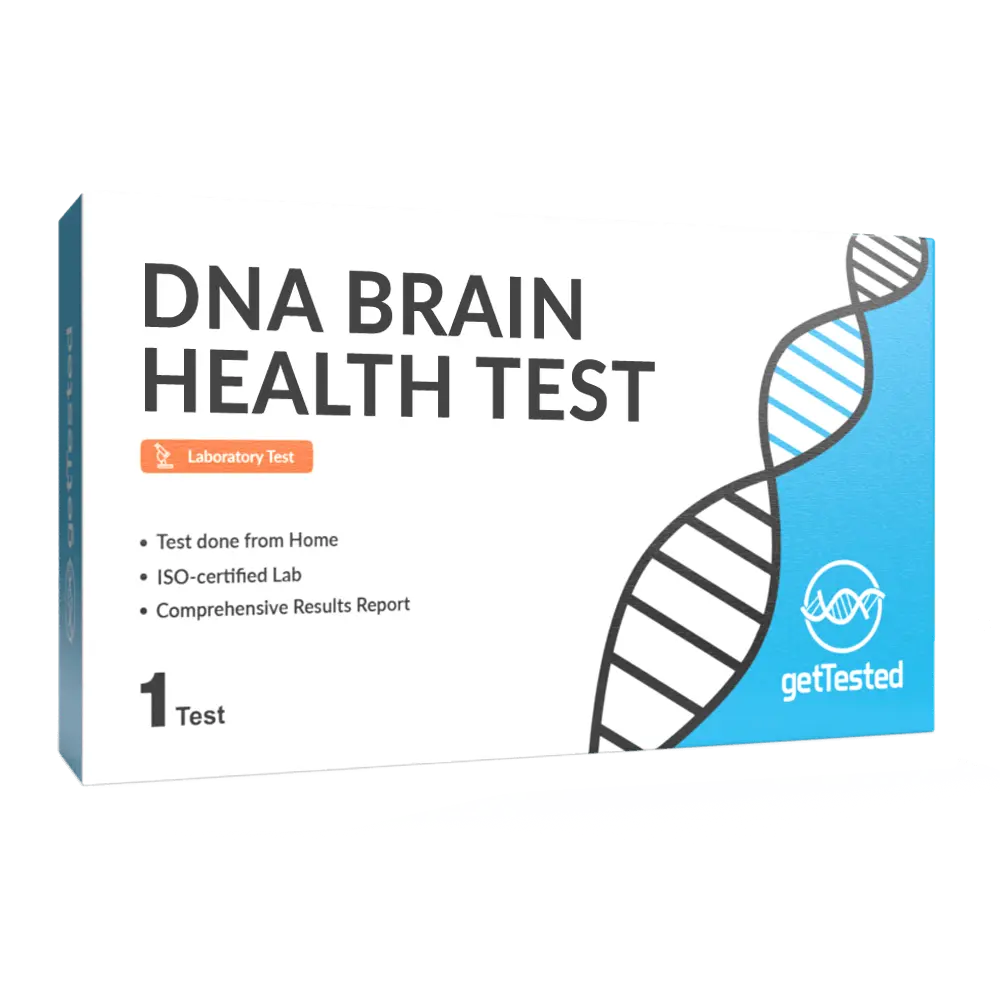
DNA Brain Health Test from GetTested
Explore your genetic profile with the DNA Brain Health test from GetTested. This easy-to-perform at-home test, requiring only a saliva sample, provides insights into how your genes affect your mental health. It encompasses memory, cognitive functions, mood swings, and stress management.
Who Is the DNA Test Suitable For?
This test is ideal for anyone wanting to understand how their genetics impact their mental well-being. It is particularly useful for those looking to explore genetic factors behind stress, anxiety, or addictions.
The Testing Process
After collecting your saliva sample at home and sending it back, it takes 6-8 weeks to receive the results. These results provide not only a detailed genetic analysis but also customized recommendations. They help you better understand and manage your mental health.
Understanding CoQ10: Its Role and Benefits
CoQ10, a vitamin-like substance, is essential in various bodily functions. It plays a key role in energy production within the mitochondria, the cell's "powerhouse," and is found in all body cells. High levels of CoQ10 in the brain, heart, liver, and other energy-intensive organs highlight its significance for our immune system and overall health. CoQ10 levels naturally present from birth decline with age, potentially leading to energy shortages and, in severe cases, heart issues.
CoQ10's Function in the Body
As a coenzyme, CoQ10 is instrumental in several vital bodily processes, especially in the heart and immune system cells. The liver is the primary production site, with our diet contributing a small portion. Rich sources include mackerel and organ meat. Notably, CoQ10 production begins to decrease in our 30s.
In the cell mitochondria, CoQ10 aids in converting nutrients into energy. It doubles as an antioxidant, safeguarding cells against free radical damage and inhibiting the oxidation of LDL cholesterol, which is considered harmful.
The Advantages of CoQ10 Supplementation
CoQ10 supplementation can boost heart health and alleviate symptoms of fibromyalgia, such as pain sensitivity and muscle aches. With natural CoQ10 levels decreasing with age, monitoring your body's levels is crucial. Patients with chronic heart failure often show reduced CoQ10 levels. Those experiencing depression, fatigue, or taking statins may also benefit from CoQ10 supplements. Athletes looking to improve performance and oxygen uptake can benefit from additional CoQ10, which helps mitigate muscle weakness and fatigue from intense physical exertion. Smokers can improve their oxygen uptake capacity with CoQ10 supplements.
In skincare, CoQ10's antioxidant properties help fight wrinkles by protecting cells against free radicals, a key contributor to premature aging. Studies indicate that CoQ10 can reduce wrinkle formation due to sun exposure and aging, while also enhancing skin cell energy metabolism and renewal.
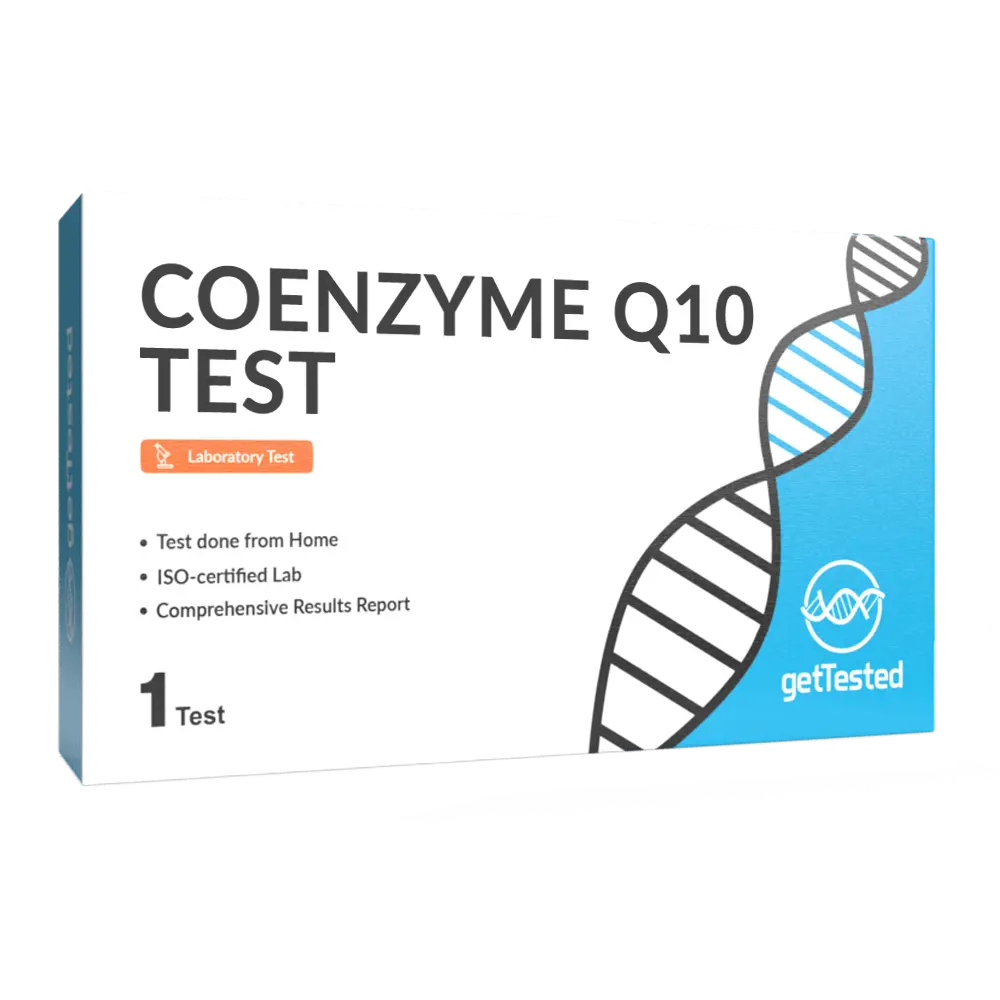
Taking the Coenzyme Q10 Test with GetTested
GetTested offers a Coenzyme Q10 test that requires a finger-prick blood sample. This test may need blood from two fingers due to its higher blood requirement compared to other tests. After ordering, you'll receive a complete home testing kit. Once you've sent your sample to our certified lab, you'll get your results digitally.

4
1
3
2