Order before 2:00 PM - your package will be shipped the same day!

Menstrual problems can present in many different ways, depending on the individual and the severity of the condition. Some common symptoms of menstrual problems include:
Menstrual problems can be caused by a variety of factors, including:
The treatment of menstrual problems from a functional medicine perspective typically involves a combination of lifestyle changes, dietary modifications, and targeted supplements or medications. Some common treatments for menstrual problems may include:
The Role of Hormones
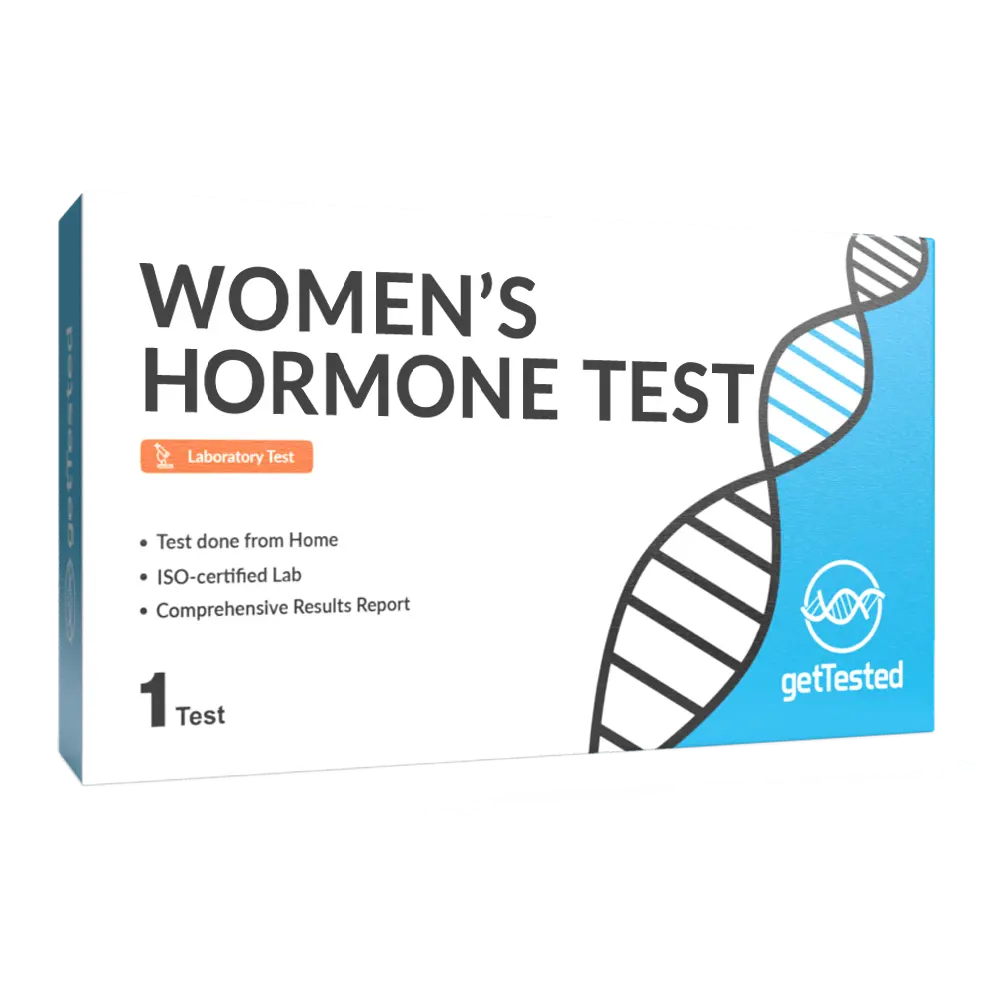
Progesterone, estrogen, testosterone, DHEA, and cortisol each play unique roles in the body, affecting everything from brain function to stress response.
Who Should Take This Test?
This test is ideal if you want a comprehensive view of your hormones, including cortisol. Men should opt for the Men's Hormone Test.
Common Symptoms of Hormonal Imbalances
You might experience mood swings, depression, PMS, irregular periods, PCOS, infertility, menopausal symptoms, endometriosis, low libido, tender breasts, heavy periods, brain fog, impaired memory, weight gain, osteoporosis, vaginal dryness, headaches, and loose stools before and during menstruation, among other symptoms.
DHEA: A Versatile HormoneDehydroepiandrosterone (DHEA), or androstenolone, is a hormone that converts into both testosterone and estrogen. It's so potent that excessive doses classify as performance-enhancing drugs. DHEA peaks in our 20s and then gradually declines post-30. It boosts mental and physical performance, energy, memory, muscle mass, skin quality, body odor, bone mass, and puberty development, while keeping us young and healthy.
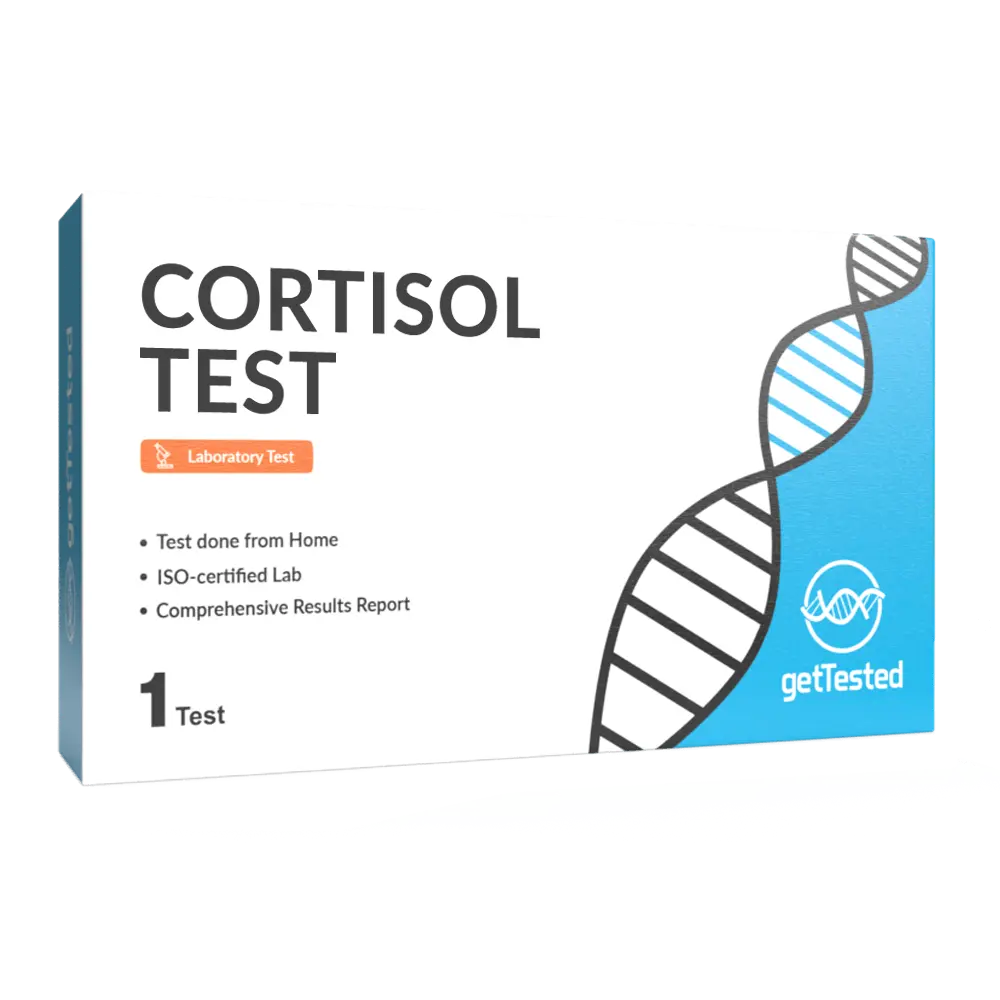
Cortisol: The Stress HormoneOur test measures your morning cortisol levels. For diurnal cortisol measurement, we recommend the Cortisol Test, taken 7 times throughout the day. Cortisol, a stress hormone from the adrenal glands, boosts physical and mental performance in stressful situations. Both high and low levels can be problematic.
Estrogen: Key to FertilityThe Women's Hormone Test measures estradiol (E2) and its ratio to progesterone. Estradiol, the most crucial estrogen, is known as the fertility hormone in women.
Progesterone: More Than a Sex HormoneProgesterone, primarily a female sex hormone, influences fertility and is a precursor to sex hormones testosterone, estrogen, and cortisol. It's vital for the central nervous system. Its levels fluctuate during the menstrual cycle and increase post-ovulation.
Testosterone in WomenThough often seen as a male hormone, women need testosterone for energy, libido, and muscle building. Women with PCOS often have higher testosterone levels.
How to Take the Women's Hormone Test
Perform this saliva test at home by taking two samples: one immediately after waking up and another 30 minutes later. If menstruating, collect samples a week post-ovulation, around day 21. In or post-menopause, timing is more flexible. After collection, send the samples to our lab. You will receive your results online.
About Cortisol
Cortisol is a stress hormone that is released when we are exposed to physical or mental stress. Cortisol is produced in the adrenal glands and helps you perform better physically and mentally in situations that the body perceives as acute stress. In the distant past, stress was a natural reaction to protect yourself from predators, whereas nowadays stress takes on a different form. Today, our stress comes from a modern setting, such as stress about paying the bills.
The stress we experience in today’s society often becomes chronic stress. This means high levels of cortisol building up in the body for long periods of time. This causes high levels of cortisol which is harmful and dangerous to the body, resulting in high blood pressure and high blood sugar which can cause type-2 diabetes.
However, too little cortisol in the body is not good either. If the cortisol levels become really low, the urine excretes large amounts of sodium, which can lead to life-threatening conditions.
It is important to know if you are at a risk of being affected by any of these conditions. By taking GetTested’s Cortisol test, you can get an indication of your cortisol levels and take adequate measures to prevent cortisol disorders.
The function of cortisol
Cortisol has a variety of functions in our body. In acute stressful situations, cortisol secretion helps you perform better, both physically and mentally. Cortisol is also important for the movement of the intestines and controls the body’s metabolism of sugar, fat and protein. With its anti-inflammatory effect, cortisol counteracts the function of the immune system, which makes us more susceptible to infections.
Your cortisol level is not always related to your stress level. Physical activity also increases cortisol secretion in the body, but unlike secretion during stress, cortisol instead reduces inflammation that occurs on the muscles. In the medical world, cortisol is best known for its anti-inflammatory and muscle-degrading effects in the treatment of inflammatory diseases, and this is then treated by adding cortisone.
Cortisol also controls the immune system and reduces swelling in allergies and insect bites. Therefore, Cortisol is a vital hormone for our wellbeing.
Cortisol fluctuations
Cortisol levels should be at the highest in the morning and lowest at night. The metabolism of fats, sugars and proteins is all controlled by the cortisol. The amount of cortisol itself depends on what you do and how much stress you put on yourself. Stress can raise the cortisol levels, as well as being injured, having fever, infections or too high adrenaline.
Symptoms of high cortisol:
In the long run, however, high levels are harmful to the body and with high levels of cortisol for a long time, fat burning decreases and impairs insulin sensitivity, which in the long run can lead to obesity and type-2 diabetes.
Fatigue
Low libido
Weight gain
Difficulty sleeping
High blood pressure
Poor immune function
Symptoms of low cortisol:
Low levels of cortisol can lead to menstrual disorders, muscle weakness and general mental illness, as well as cortisol inhibiting inflammation. In more rare and extreme cases, low cortisol can lead to adrenal insufficiency (also known as Addison’s disease). In such cases, the body does not make enough hormones. Diseases like Addison’s disease can cause life-threatening conditions and usually need to be medicated, but “Milder” conditions still cause a huge stress on the body and mind and should not be left untreated.
The most common symptoms of low cortisol are:
Menstrual disorders
Fatigue
Muscle weakness
Low blood pressure
Loss of appetite
Nausea
Cortisol blood test vs cortisol saliva test
GetTested’s Cortisol Test measures your cortisol levels from your saliva instead of blood, making it a lot more convenient to use. For example, people with naturally cold hands may experience difficulty acquiring blood from pricking their finger, which makes a blood test not ideal. It is also more comfortable for people who are sensitive to blood and needles.
Testing cortisol throughout the day
GetTested’s Cortisol Test measures bioavailable and free cortisol at seven points throughout the day, combining the first morning values into one, resulting in five reported values. Cortisol is released in response to physical or mental stress, enhancing physical and mental performance under short-term stress. However, consistently high cortisol levels can be harmful, while low levels can also pose health problems. This test is especially useful for those experiencing chronic stress, fatigue, or other stress-related symptoms.
For a comprehensive hormonal assessment, DHEA—another hormone affected by stress—is often measured alongside cortisol. Our DHEA Saliva Test can provide additional insights into your stress response and hormonal balance.
About our Estrogen & progesterone test
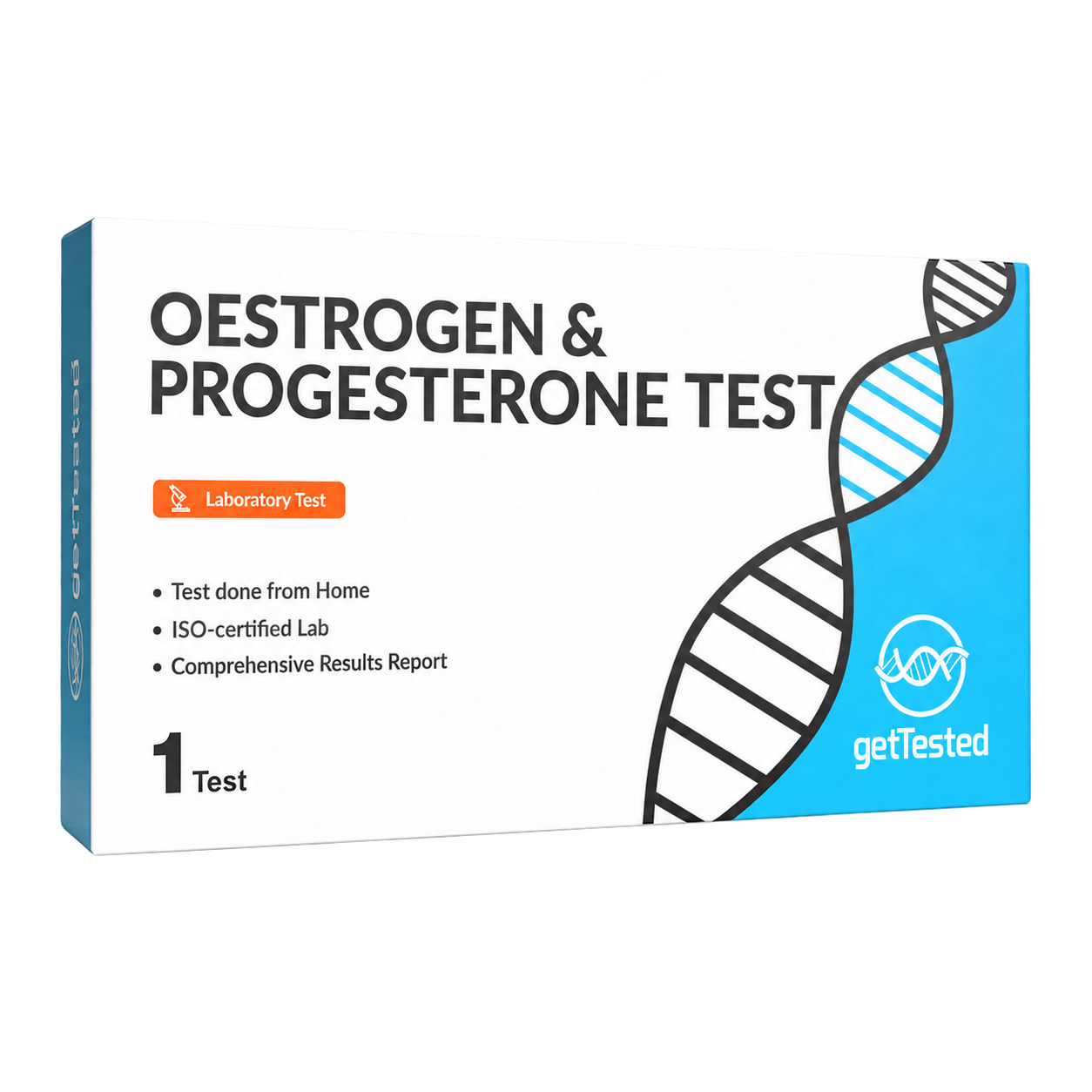
Our Estrogen & progesterone test is a saliva test that measures active hormones that reach receptor sites, showing clearer variations than blood tests. It is a two-in-one test that functions as an Estrogen test and progesterone test. After ordering our test kit, you can easily perform our Estrogen and Progesterone test at home. Simply collect your saliva sample and send it over to our lab for analysis.
The test suits menstruating women, menopausal women, and men, as hormonal imbalances can occur in all groups. Different reference values are provided based on the category you belong to.
Many opt to test estrogen/progesterone alongside our Cortisol test, as cortisol production can impact progesterone levels. We also offer a comprehensive Women's Hormone Test, analyzing estrogen, progesterone, their ratio, DHEA, testosterone, and cortisol.
The Function of Estrogen (Oestrogen)
Estrogen, primarily produced in the ovaries, plays numerous vital roles in the body. This test measures estradiol (E2), considered the most important and potent of the three estrogen hormones.
Besides its crucial role in maintaining bone mass in women, estrogen increases HDL particle levels in the blood, protecting blood vessels. It also enhances the body's conversion of omega-3 fats from vegetable sources into the DHA fatty acid, essential for brain function.
Estrogen stimulates growth, particularly in the uterus and mammary glands, increasing the rate of cell division in these tissues and thus the risk of cancer. The duration of estrogen exposure (marked by early menstrual onset and late menopause) correlates with an increased cancer risk. Estrogen also controls typical fat distribution in women, such as around the hips, breasts, and thighs. Being overweight can elevate estrogen levels, partly because testosterone converts to estrogen in adipose tissue. Consequently, the more fat you have, the higher your estrogen content.
Estrogen is vital for the immune system and memory in both men and women. It counteracts osteoporosis and protects against cardiovascular disease. Like testosterone, estrogen also has fat-burning and muscle-building effects. Postmenopausal women with low estrogen levels are at high risk of losing bone mass and developing osteoporosis.
Estrogen Deficiency symptoms
Estrogen levels typically decrease during menopause but can also drop due to factors like stress, poor nutrition, and intense training.
Symptoms specific to estrogen deficiency include low libido, pain during sex, urinary tract infections, fatigue, difficulty concentrating, irregular or absent periods, mood swings or depression, weakened bone structure, and hair loss.
The Function of Progesterone
Progesterone is a key hormone in the body that plays a crucial role in regulating menstruation and supporting the early stages of a pregnancy. It is produced by the ovaries, adrenal glands, and during pregnancy, by the placenta.
The main function of progesterone is to help make the lining of the uterus (the endometrium) ready for a fertilised egg to implant and grow into a foetus. When conception occurs, Progesterone levels rise and they decrease when conception does not occur, resulting in menstruation.
Progesterone is very similar to oestrogen, but the main difference is that progesterone is more important in regulating pregnancy, whereas oestrogen is more important in regulating the menstrual cycle.
Progesterone deficiency symptoms
Balanced progesterone levels are essential for overall hormonal health. Depending on whether you are pregnant or not, the impact of low progesterone levels differs.
Symptoms for people who are not pregnant include irregular menstrual cycles, hot flashes, mood swings. It’s also more difficult to become pregnant with low progesterone levels.
Once you do get pregnant, it is crucial for a successful pregnancy to sustain high levels of progesterone. Low levels of progesterone can cause pregnancy complications such as miscarriage or preterm labour.
Symptoms of a Hormonal Imbalance
However, hormonal imbalances can manifest in various ways. Common symptoms that may overlap with estrogen deficiency include menstrual irregularities, PMS, tender breasts, infertility, headaches or migraines, weight gain, endometriosis, and mood swings. Conversely, high estrogen levels can cause symptoms like swelling or water retention, swollen and tender breasts, irregular menstrual cycles, and fibrocystic breasts.
Given the potential overlap in symptoms, accurately diagnosing hormonal imbalances requires measuring hormone levels to provide the most effective support and treatment.
When to collect a sample
Menstruating women should collect the sample one week after ovulation, usually between days 19-23 of a normal cycle. If collection falls on a weekend, store the saliva sample in the fridge and send it to the lab on Monday. Women in menopause can collect the sample at any time of the month.
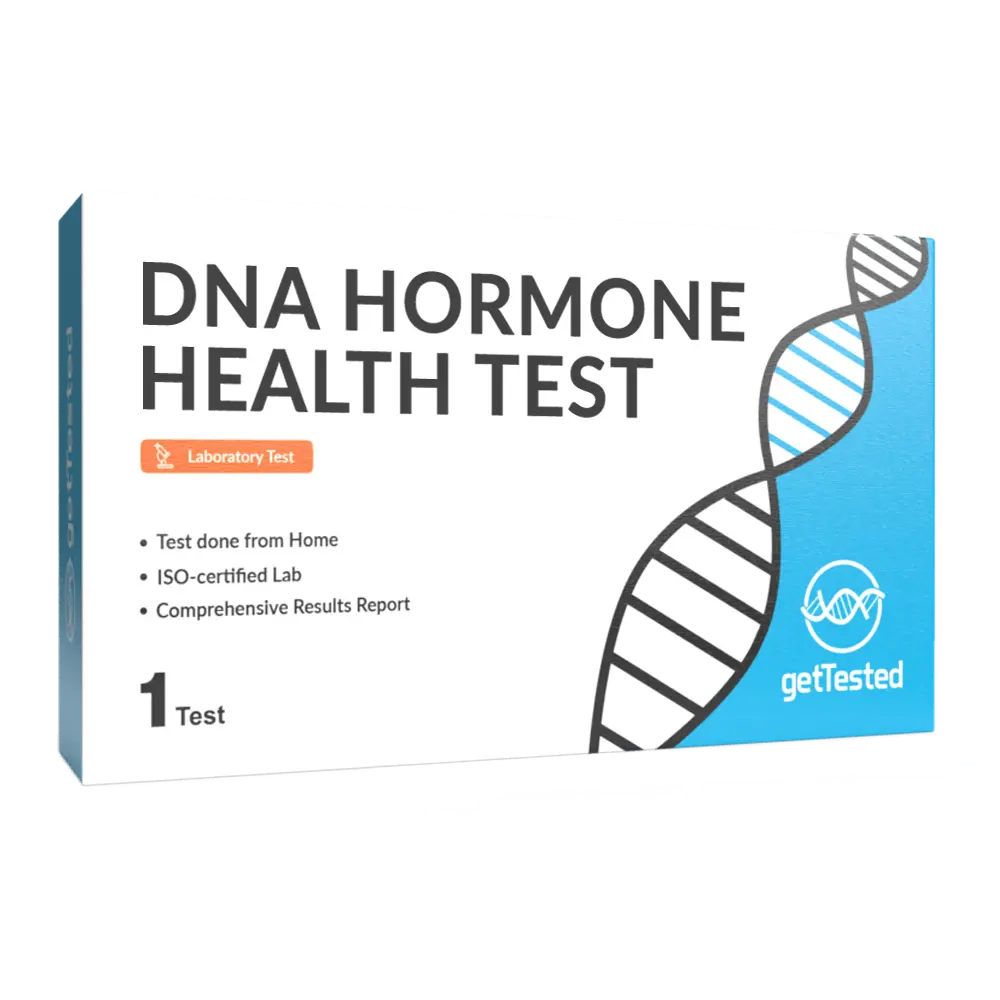
The DNA Hormone Health test from GetTested is a genetic analysis designed to illuminate your body's hormone health landscape. This comprehensive test examines specific genes linked to crucial hormones. These include T3 (Triiodothyronine), T4 (Thyroxine), Free T4, TSH (Thyroid-Stimulating Hormone), Testosterone, Bioavailable Testosterone, FSH (Follicle-Stimulating Hormone), and Ghrelin. It provides insights into how your body produces, regulates, and metabolizes these essential hormones. Understanding your genetic predispositions can help you tailor your lifestyle, diet, and possibly your supplementation. This customization will optimize your hormone health.
Why Choose This Test?
Optimizing hormone health is crucial for overall well-being, impacting energy levels, metabolism, mood, and more. Moreover, this DNA test is perfect for individuals seeking to understand their unique hormone health profile, those experiencing symptoms that could be hormone-related, or anyone interested in personalized health optimization.
How It Works
Firstly, order the Test: Have the DNA Hormone Health test kit sent directly to your home.
Secondly, collect Your Sample: Follow our simple guide to collect your saliva sample.
Thirdly, send It Back: Mail your sample to our lab using the prepaid envelope.
Finally, discover Your Hormone Health: Receive a detailed report within 6-8 weeks, offering insights into your hormone health with actionable recommendations.
Privacy and Integrity
GetTested respects your privacy ardently. We destroy your DNA and sample after analysis, linking them only to your unique test ID. We ensure your results remain confidential, never shared with third parties, and provide you with the option to delete your results after review.

4
1
3
2