Omega-3 Basic
GetTested’s Omega-3 Basic Test is an at-home lab test that measures key omega-3 fatty acids to help you understand your fatty acid balance and overall health. The test analyzes ALA, EPA, DPA, and DHA, as well as your Omega-3 Index, providing insight into your levels of these essential fats.
Omega-3 plays an important role in heart health, brain function, and inflammation regulation, and this test offers a simple way to assess whether you are getting enough through your diet or supplements.
£49.99
Pre-2pm delivery Tuesday, 27 October.
Discreet, tracked delivery
About Omega-3 Basic
Omega-3 Balance
This test measures key omega-3 fatty acids in your blood, providing insight into your fatty acid balance and overall health. Omega-3 supports heart health, brain function, and inflammation regulation, and must be obtained through diet or supplements.
By analyzing your Omega-3 Index along with EPA, DHA, DPA, and ALA, the test helps you understand if your levels are sufficient and supports better decisions for your long-term health.
What This Test Measures
Biomarkers
5 biomarkers
Sample
Blood
Results in
10-15 business days
Format
Lab Test
How It Works & Sample Collection
Order your kit online, collect a finger-prick blood sample at home, and send it back using the prepaid envelope. Your digital results are provided once the analysis is complete.
For best accuracy, the test should be taken in the morning while fasting.
Have Questions?
Chat with our AI assistant for instant answers about this product, usage, or recommendations.
Over 500,000 Customers
4.6 out of 5 based on 5 reviews on this product
£49.99
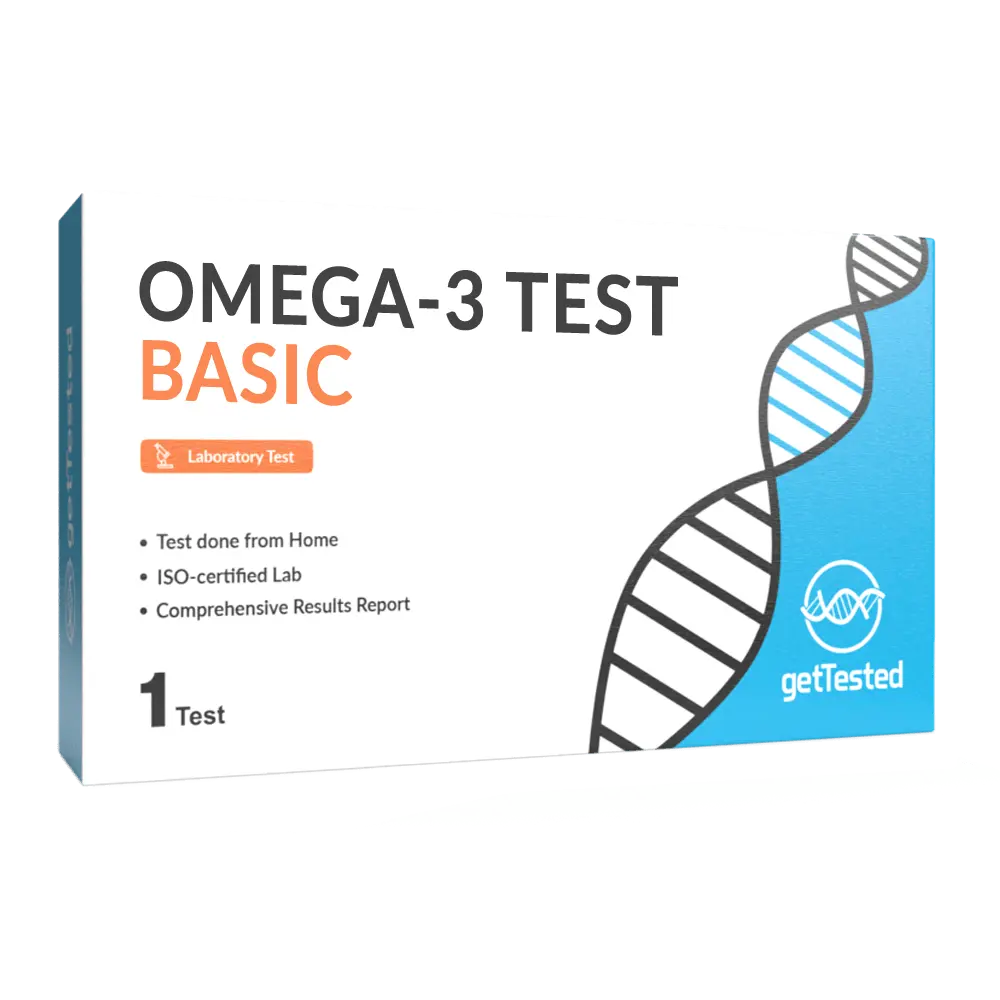
Omega-3 Basic
GetTested’s Omega-3 Basic Test is an at-home lab test that measures key omega-3 fatty acids to help you understand your fatty acid balance and overall health. The test analyzes ALA, EPA, DPA, and DHA, as well as your Omega-3 Index, providing insight into your levels of these essential fats.
Omega-3 plays an important role in heart health, brain function, and inflammation regulation, and this test offers a simple way to assess whether you are getting enough through your diet or supplements.
£49.99
Pre-2pm delivery Tuesday, 27 October.
Discreet, tracked delivery
Omega-3 Balance
This test measures key omega-3 fatty acids in your blood, providing insight into your fatty acid balance and overall health. Omega-3 supports heart health, brain function, and inflammation regulation, and must be obtained through diet or supplements.
By analyzing your Omega-3 Index along with EPA, DHA, DPA, and ALA, the test helps you understand if your levels are sufficient and supports better decisions for your long-term health.
What This Test Measures
Biomarkers
5 biomarkers
Sample
Blood
Results in
10-15 business days
Format
Lab Test
How It Works & Sample Collection
Order your kit online, collect a finger-prick blood sample at home, and send it back using the prepaid envelope. Your digital results are provided once the analysis is complete.
For best accuracy, the test should be taken in the morning while fasting.
What is the Omega-3 Index and why is it important?
How often should I test my omega-3 levels?
Omega-3 Basic price and what’s included
Price history
Current price
£49.99
Starting price
£49.99
Total change
£0.00
No. of changes
0
Stable Pricing
No hidden fees. The price you see is the price you pay.
Price Lock Guarantee
Your price won't change after purchase.
Have Questions About This Product?
Chat with our AI assistant for instant answers about this product, usage guidelines, or personalized recommendations.
Over 500,000 Customers
4.6 out of 5 based on 5 reviews on this product