
Discharge or odour
Vaginal pH & microbiome
Check vaginal pH at home, or look at the bacteria in a lab swab test.
15% off every test below with code BLACK15 – except deals
Looking for a women's health test on vaginal health specifically? This category currently focuses on that area, rather than hormones, fertility or menopause, which sit in their own dedicated categories elsewhere on the site.
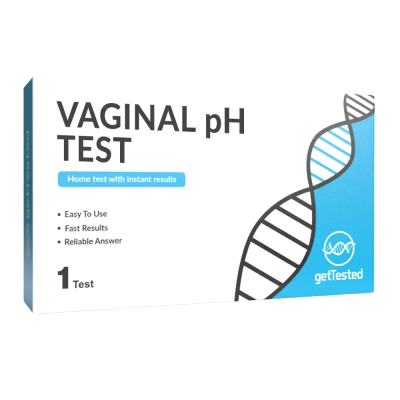
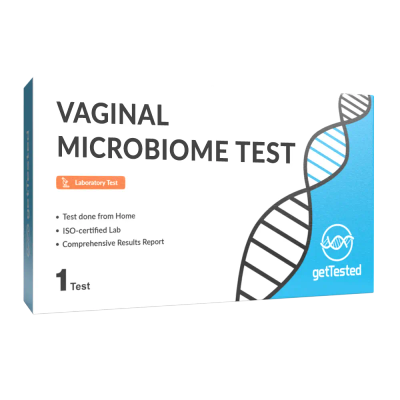
Note: this category is still being built out and currently doesn't display the full range of women's tests due to a known site bug. Noticing unusual discharge or irritation for the first time? Our Vaginal PH Test gives a rapid self-test result at home in minutes. If symptoms keep recurring and a simple pH check hasn't explained why, the Vaginal Microbiome Test looks at the underlying bacterial balance in more detail.
Symptoms like discomfort or unusual discharge are common but often go unaddressed, either from uncertainty about what's normal or reluctance to raise it with a GP in person. Testing at home gives you a private way to check what might be going on first.
• Vaginal pH (linked to discharge, odour, irritation or discomfort)
• Vaginal microbiome balance (linked to bacterial vaginosis and recurrent symptoms)
There's no need to wait for symptoms to become severe before checking either marker. That's the purpose of a women's health test in this category: a discreet first step for a specific, common concern.
Start with what you've noticed. Vaginal symptoms like odour or discharge point to a swab test. Changes in your cycle, mood or energy point to a hormone test. If you're thinking about getting pregnant, or want to know if you are, start with the fertility and pregnancy tests.
Discharge or odour
Check vaginal pH at home, or look at the bacteria in a lab swab test.
Cycle, mood or energy
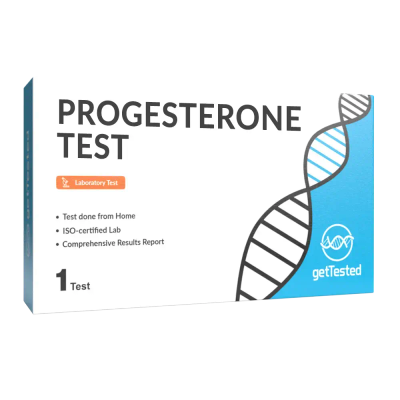
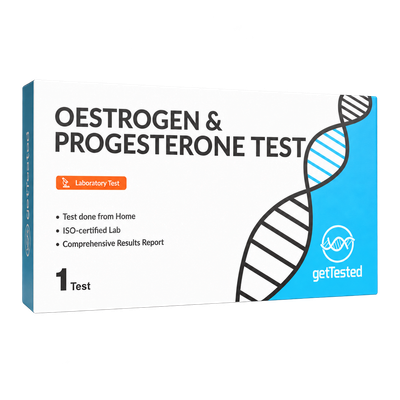
Measure oestrogen, progesterone, thyroid and other key hormones.
Planning or expecting
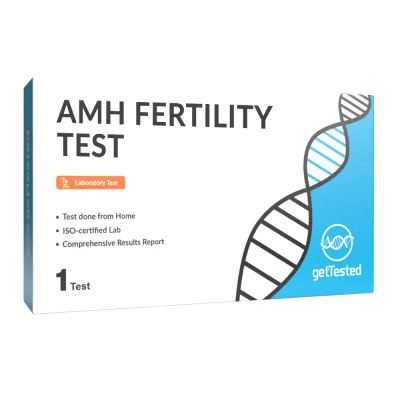
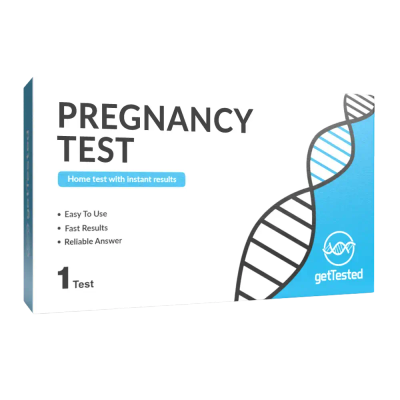
Check AMH, your egg reserve marker, or take a home pregnancy test.
Many women put off checking common concerns like vaginal discomfort or cycle changes because it feels awkward to book an appointment or raise it face to face. Testing at home gives you a private first step, on your own schedule.
Some hormones change across the menstrual cycle, so when you take the sample matters. Each product page tells you which day or time to collect, which makes your result easier to compare with the reference range. If your periods are irregular or painful, see our page on menstrual problems.
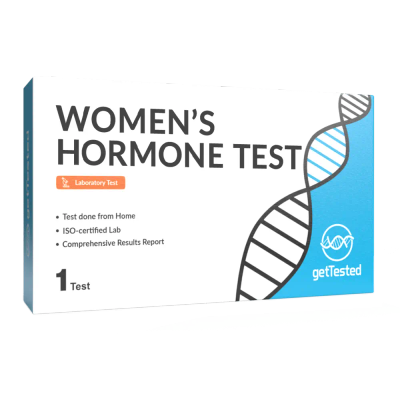
Match the test to your main concern. For discharge, odour or irritation, start with a vaginal swab test. For cycle changes, PMS, mood or energy, a hormone test such as the Women's Hormone Test measures several hormones from saliva. For fertility planning, AMH is a common first check, and a urine test can show if you are pregnant.
The pH test is a quick swab self test that shows whether your vaginal environment is more or less acidic than usual. The Vaginal Microbiome Test is a swab you post to a lab, which looks at the mix of bacteria and yeasts present. Bacterial vaginosis is caused by an imbalance of bacteria and makes the vagina less acidic.
The NHS says you can do most pregnancy tests from the first day of a missed period. If you don't know when your next period is due, test at least 21 days after you last had unprotected sex.
Yes, for some hormones. Oestrogen and progesterone rise and fall across the menstrual cycle, so a result only makes sense alongside the day it was taken. Each kit explains when to collect your sample. If you are looking at hormones beyond the cycle, such as cortisol or melatonin, browse all hormone tests.
Home tests are screening tools, not a diagnosis. If a result is positive or outside the reference range, follow it up with your GP and take your report with you.
Order before 2pm Monday to Friday and your kit is dispatched the same day, with UPS Pre-12pm Next Working Day Delivery available. Weekend delivery with DPD Express and collection from an InPost locker are also available at checkout.