
Sneezing, itching, hives
Check for allergy markers
IgE blood tests for pollen, pets, dust mite, mould and common foods.
15% off every test below with code BLACK15 – except deals
Trying to work out whether it's an allergy test or a food intolerance test you actually need? The distinction matters: allergies involve an IgE immune response and can appear quickly, while intolerances build up gradually and involve different mechanisms entirely.
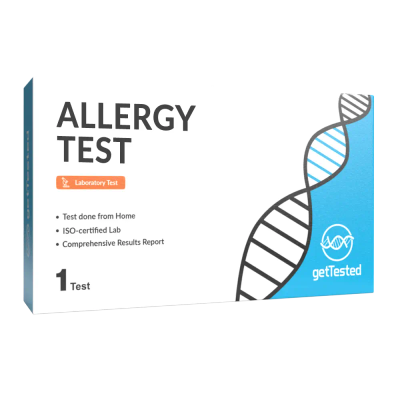
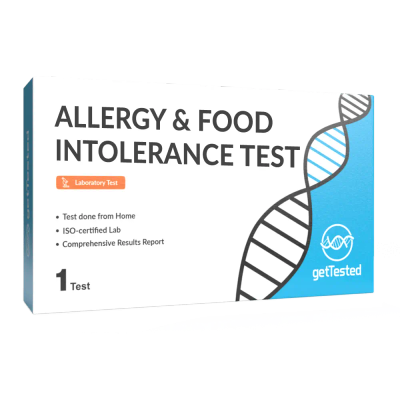
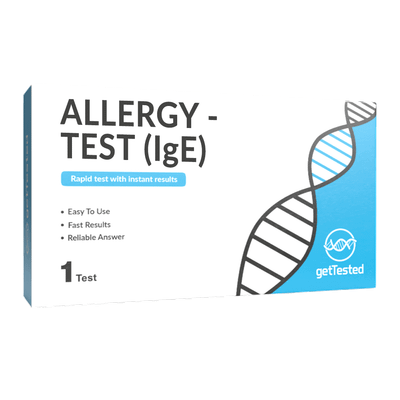
If your symptoms include sneezing, itchy eyes or hives shortly after contact with something specific, an IgE-based allergy test is usually the right starting point, such as our Allergy Test, which screens across a broad panel of common allergens from a single blood sample.
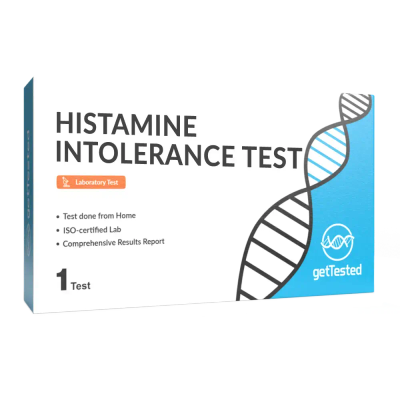
If symptoms build up gradually after eating, such as bloating, fatigue or skin issues, an intolerance test looks at a different set of markers entirely, and this range covers a wide spread of both categories, including histamine intolerance, one of our more commonly requested tests for ongoing digestive or skin symptoms.
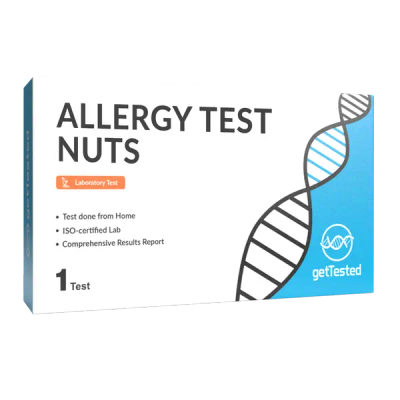
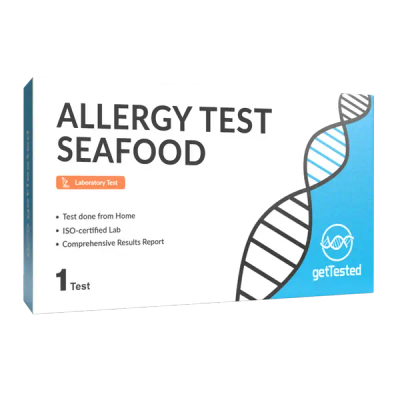
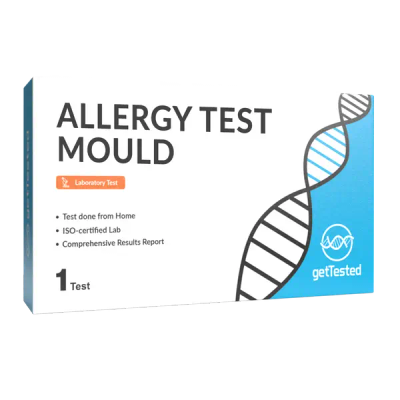
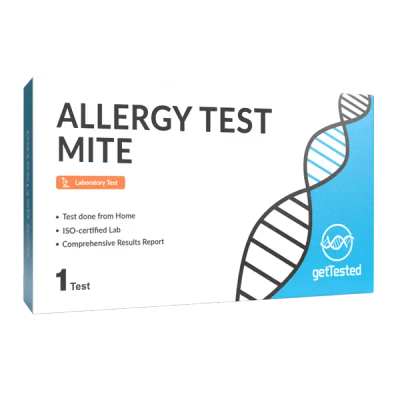
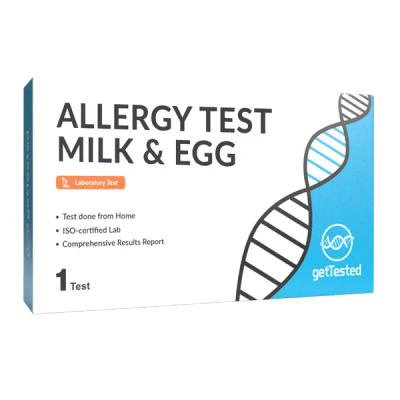
• Specific allergens: pollen, pet dander, dust mites, mould, nuts, seafood, wheat & rye, milk & egg, meat
• Coeliac-related gluten sensitivity
• Gluten intolerance
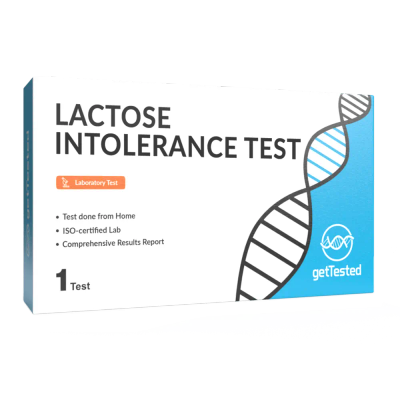
• Lactose intolerance
• Histamine intolerance
• Broader food intolerance panels (40, 80 or 240 items)
Not everyone needs the same level of detail. Some people already suspect a specific trigger and want a focused, affordable test; others want the broadest possible overview before ruling anything in or out, which is where the larger food intolerance panels come in.
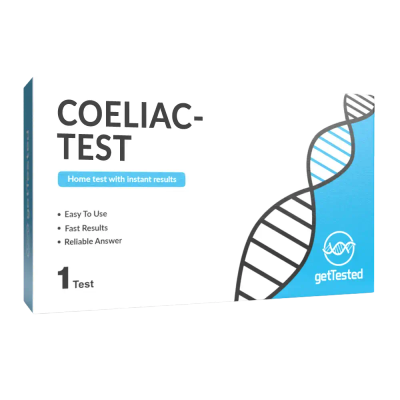
Testing at home means you can start narrowing things down immediately, rather than waiting for a referral. If coeliac disease runs in the family or symptoms point that way, our Coeliac Test is a simple rapid starting point, and that's what makes the right allergy test a genuinely useful first step, not just a guess.
Allergy and intolerance tests measure different things. Some people want to check for allergy to pollen, pets or a food. Others already suspect one food or sugar, like gluten or lactose. And some want a wider look at how they respond to lots of everyday foods.
Sneezing, itching, hives
IgE blood tests for pollen, pets, dust mite, mould and common foods.
You suspect a trigger
Gluten, lactose, fructose, sorbitol or histamine, checked one at a time.
Wider look at your diet
Check IgG4 responses to 40, 80 or 240 foods from one blood sample.
Allergies and intolerances are easy to mix up. An allergy involves IgE antibodies and symptoms such as sneezing, itchy eyes or hives can start quickly. A food intolerance is different, and symptoms like bloating or tummy pain usually start a few hours after eating. Knowing which one you are looking at helps you choose the right test.
Testing at home means no appointment and no waiting room. You collect a small blood or breath sample yourself, following the instructions in the kit, and your report shows each result against its reference range. Read more in our guide to food intolerance.
It depends on your symptoms. A food allergy is different from a food intolerance. Allergy tests measure IgE antibodies to things like pollen, pets or foods. With an intolerance, symptoms usually start a few hours after eating, so a food panel or a breath test for lactose, fructose or sorbitol may suit you better.
No. Our food intolerance panels measure IgG4 antibodies to foods, not IgE, so they cannot show an allergy and are not a diagnosis. To check for allergy to a food, choose an IgE test, such as the Milk & Egg Allergy Test. IgE allergy and IgG4 food results are always reported separately.
If you already suspect one food or sugar, a single test is the simplest choice, such as a breath test for lactose or fructose. If you're not sure where to start, a food panel checks IgG4 responses to 40, 80 or 240 foods. The 240-item panel covers the widest range.
Yes. NICE advises eating some gluten in more than one meal every day for 6 weeks before coeliac blood tests. If you have already cut gluten out, antibody levels may drop and the result may not reflect your situation. Follow the preparation instructions in your kit before you test.
Home allergy and intolerance tests are screening tools, not a diagnosis. Your report shows each result against its reference range. If a result is outside that range, follow it up with your GP. If you ever have swelling of the lips, mouth or throat, or struggle to breathe, call 999.
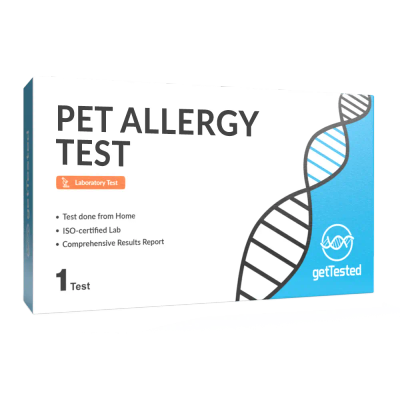
You take a small finger-prick blood sample at home, using the kit and instructions provided, and post it back to the laboratory. The sample is checked for IgE antibodies to the allergens in your chosen test. The Pet Allergy Test, for example, measures responses to cat and dog allergens separately.
Order before 2pm Monday to Friday and your kit is dispatched the same day, with UPS Pre-12pm Next Working Day Delivery available. Weekend delivery with DPD Express and collection from an InPost locker are also available at checkout.