Order before 2:00 PM - your package will be shipped the same day!

Infertility can present in many different ways, depending on the individual and the underlying cause. Some common symptoms of infertility include:
Infertility can be caused by a variety of factors, including:
The treatment of infertility from a functional medicine perspective typically involves a combination of lifestyle changes, dietary modifications, and targeted supplements or medications. Some common treatments for infertility may include:
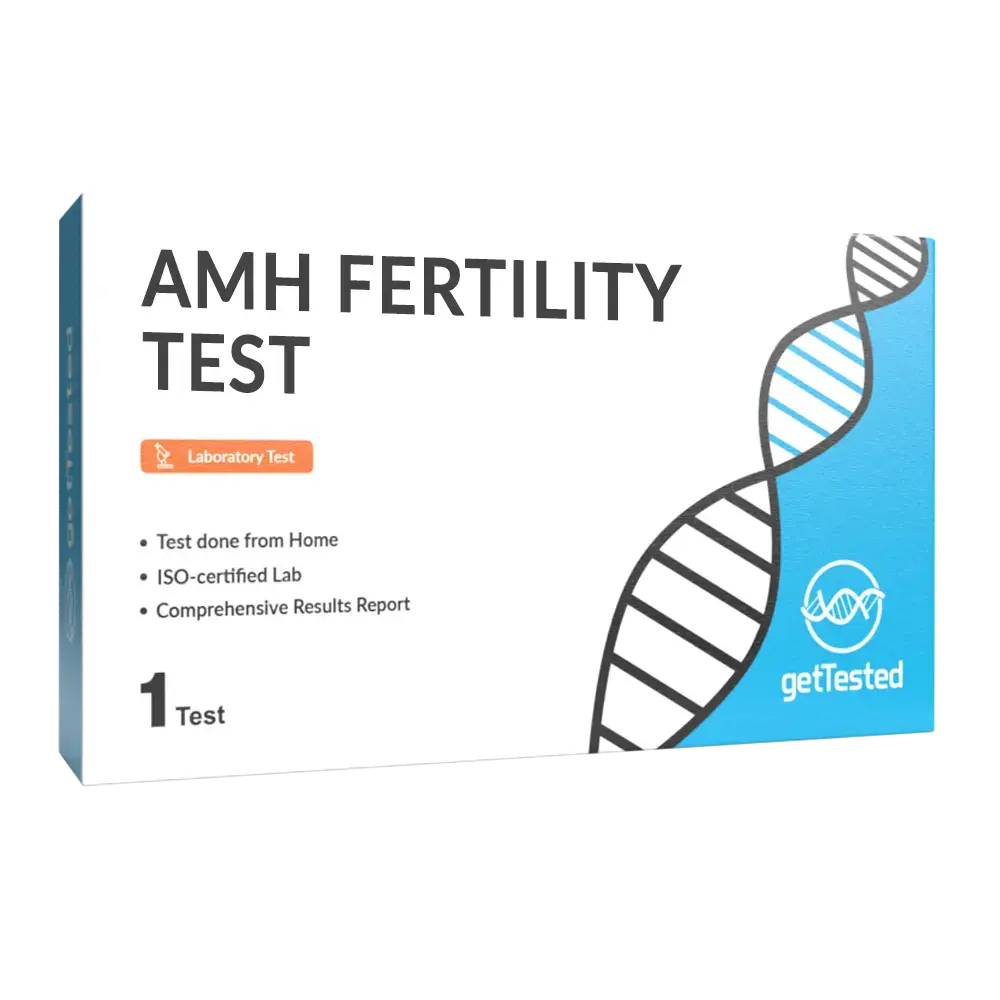
Female Fertility Test - Ovarian Reserve Test
GetTested's Female Fertility Test measures Anti-Müllerian Hormone (AMH), a crucial fertility hormone. AMH levels provide insight into ovarian reserve, an important factor for those planning to conceive.
How the Test Works
This test measures AMH levels through a small blood sample. The result, which shows your AMH level, is available in 10 minutes.
The Importance of AMH
Your AMH level offers valuable information about your ovarian reserve, which is why this test is sometimes referred to as an Ovarian Reserve Test. A low AMH level may suggest a lower egg count, while a higher level indicates a larger reserve. AMH testing is also helpful in detecting Polycystic Ovary Syndrome (PCOS).
Who is it For?
This fertility test is ideal for those looking to gain more insight into their fertility, particularly if planning to conceive or experiencing difficulties with conception.
Optimizing Fertility: Nutrients for Women
For women aiming to conceive, focusing on a diet rich in specific nutrients is crucial for promoting fertility and preparing the body for a healthy pregnancy. Key nutrients include:
Folic Acid (Folate): Essential for preventing neural tube defects in the fetus. Women are advised to take 400-800 micrograms of folic acid daily from the start of trying to conceive.
Iron: Important for preventing anemia, which can affect fertility. Iron also supports increased blood volume during pregnancy.
Omega-3 Fatty Acids: Crucial for the fetus's brain and eye development. Omega-3 can also positively affect fertility.
Calcium: Vital for building strong bones in both the mother and the growing fetus. The recommended intake is 1000 mg per day to support the bone health of both woman and child.
Vitamin D: Plays a significant role in fertility and hormonal balance. Adequate levels of Vitamin D are associated with improved fertility outcomes and may support embryo development.
Zinc: Essential for cell division and the production of healthy eggs. Zinc deficiency can disrupt menstrual cycles and decrease egg quality, affecting fertility.
Coenzyme Q10 (CoQ10): Aids in improving egg quality and ovarian response, supporting overall female fertility.
Maintaining a well-balanced diet rich in these nutrients, along with a healthy lifestyle, is key for women looking to improve their fertility and prepare for pregnancy.
Safety and Privacy
We commit to protecting your privacy. We handle your fertility test and results discreetly and securely.
More Information
Our team is always ready to assist with any questions and support you may need. The test is CE-approved for professional use.
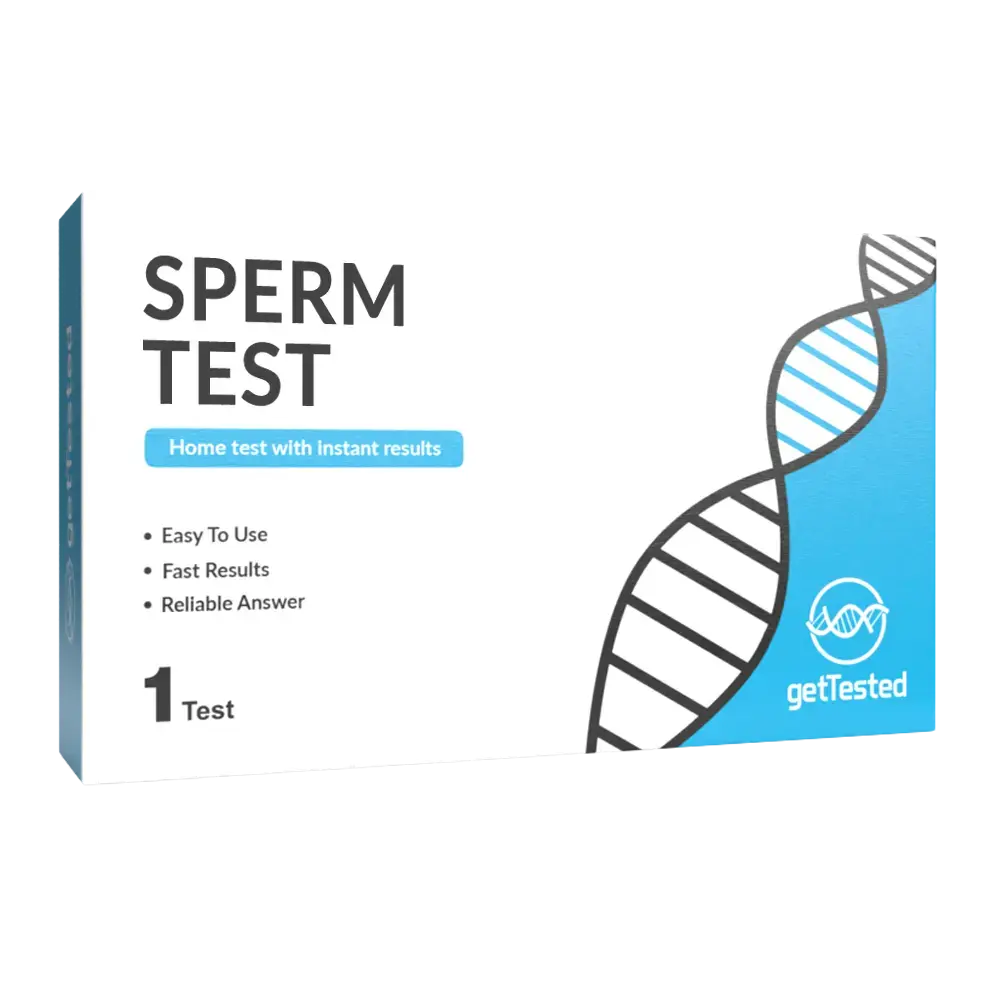
Sperm Test for Men
GetTested's Sperm test for men is your opportunity to increase your chances of a successful conception. Infertility affects up to 15% of couples, with male factors contributing to 40% of these cases. Testing sperm concentration is a simple first step in identifying infertility causes. Our test is easy to perform and takes only about 15 minutes. Our test is a Sperm Count Test, so as a result you will get immediate feedback showing if your sperm cell concentration is above or below the WHO guideline. With a test' accuracy of 99.1%, we offer you a dependable outcome.
To make the test process smooth, we provide a complete kit. This includes a test cassette, instruction leaflet, collection cup, sperm transfer unit, and sample dilution buffer, aiming for ease and convenience in testing at home.
Moreover, our rapid tests are CE marked and IVD approved, ensuring they meet high standards of quality and reliability.
Key Nutrients for Enhancing Male Fertility
For men looking to boost their fertility, paying attention to certain nutrients is critical for better sperm quality and overall reproductive health. Here's a list of important nutrients:
Zinc: Vital for making sperm and maintaining testosterone levels. Lack of zinc can lower sperm quality and fertility.
Vitamin D: Helps increase testosterone levels and sperm movement. Getting enough Vitamin D is key for male fertility.
Omega-3 Fatty Acids: Crucial for sperm shape and function. Omega-3s improve reproductive health by aiding hormone production.
Folic Acid: Known for its benefits in female fertility, it also enhances sperm health and numbers in men.
Selenium: An antioxidant that boosts sperm movement and shields against damage.
Vitamin C: Prevents sperm from clumping together and boosts their movement, essential for fertility.
Vitamin E: Joins Vitamin C as an antioxidant to protect sperm, boosting their health and activity.
Coenzyme Q10 (CoQ10): Supports energy production in sperm cells, enhancing their motility and overall quality.
Adding these nutrients to your diet, either through food or supplements, and living a healthy lifestyle are important steps for men who want to improve their fertility.
Before taking the Sperm Test
Before taking the test, it is crucial to ensure the maximum volume and quality of sperm. Therefore, abstaining from sexual activity for 3-7 days prior to conducting the test significantly impacts the results.
Sperm Test Kit Contents
Our sperm check test kit contains the following items:
Test Cassette
Instructions
Leaflet Collection Cup
Sperm Transfer Unit
Sample Dilution Buffer
Workstation
Instructions
Remove the test cassette from the packaging and place it horizontally on a flat surface.
Collect the sperm sample in the provided collection cup through masturbation.
Allow the sperm sample to liquefy completely for 60 minutes.
Use the sperm transfer unit and fill it up to the 0.1 ml mark with the sperm sample.
Add the sperm sample to the sample dilution buffer provided.
Mix the sperm sample and test solution by turning the bottle upside down 5-10 times.
Hold the sample tube upright and open the lid.
Transfer 2 full drops of diluted sample (about 80 μl) into the sample well (S) on the test cassette and start the timer.
Avoid air bubbles in the sample well. Read the test result after 5 minutes.
The result should not be read after 10 minutes.
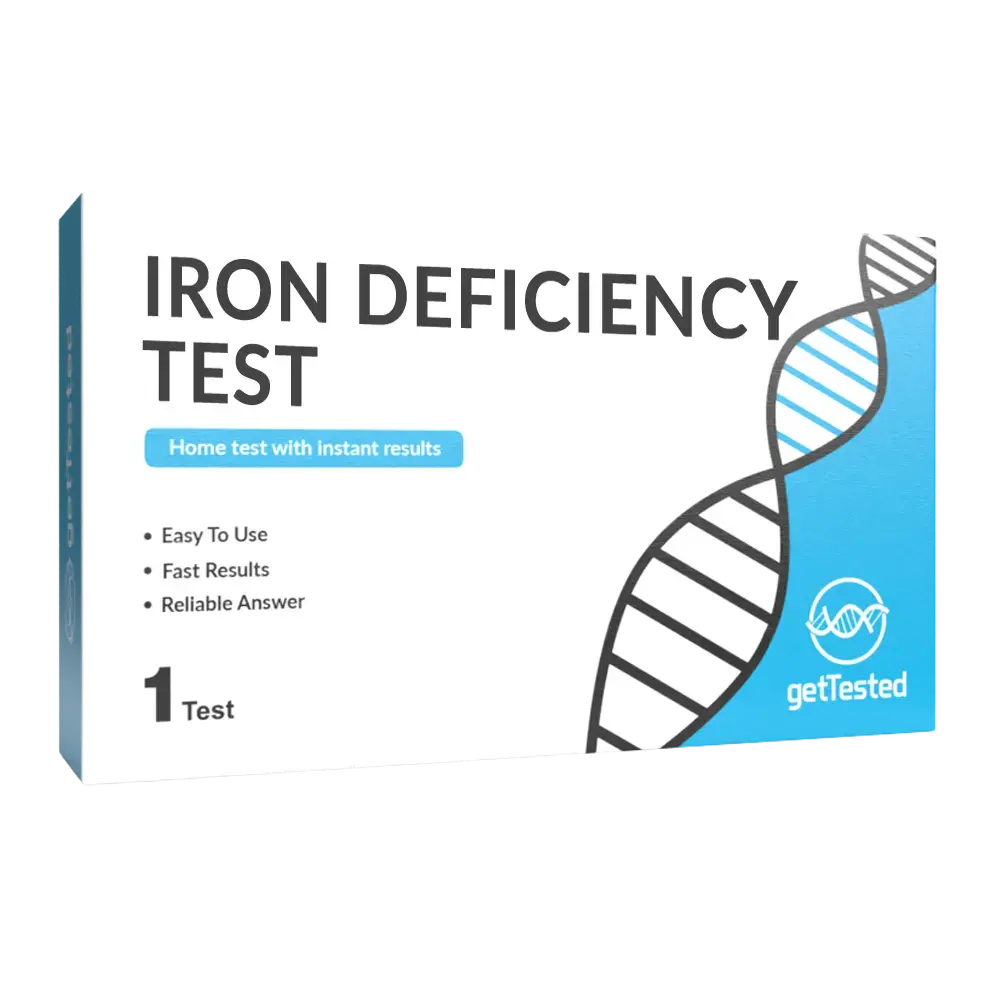
About Iron Deficiency and Ferritin
Detect signs of iron deficiency with our high-quality ferritin test. Iron deficiency is common, especially in menstruating women and children, and can have serious health effects. Our test measures the ferritin level (S-Ferritin) in the blood and provides a clear picture of your iron values. If the result is below the threshold of 30 ng/ml, it may indicate potential iron deficiency and could be related to symptoms such as pallor, fatigue, headaches, and shortness of breath during exercise. Sufficient iron stores are crucial for the body to produce enough hemoglobin and red blood cells, which oxygenate your tissues and provide you with energy. Take care of your health and order our ferritin test today to ensure you have a balanced iron level and optimal well-being.
Instructions
Prepare easily for the test by storing it at room temperature or in the refrigerator. Just make sure to use it before the expiration date and keep it in the sealed bag until it's time to use it.
To perform the test, wash your hands thoroughly and let the test cassette reach room temperature. Remove the cap from the lancet and clean the fingertip with the provided alcohol swab. Press the lancet against the finger to obtain a blood sample, and then massage the finger to produce a blood drop.
Use the pipette to collect the blood and place it into the test cassette. Add a drop of buffer solution and wait for the colored lines to appear. After 5 minutes, you can read the result. Remember not to read the result after 10 minutes.

4
1
3
2