Order before 2:00 PM - your package will be shipped the same day!

Your Cart

Subtotal:

Total:

Can't find what you're looking for?

Contact us and we’ll assist you!

contact us

Your Cart

Subtotal:

Total:

Stomach disorders

Irritable bowel syndrome (IBS) and similar stomach disorders often signal deeper digestive imbalances. They're not just isolated conditions but symptoms of issues like gut flora imbalances, stress, or dietary factors. Addressing these root causes is key to effective treatment. This approach focuses on restoring gut health holistically, offering relief and long-term digestive wellness.
dropdown image
Stomach disorders
symptom

Symptoms of IBS and Stomach Disorders

IBS and stomach disorders can present in many different ways, depending on the individual and the severity of the condition. Some common symptoms of IBS and stomach disorders include:

  • Abdominal pain or discomfort
  • Diarrhea or constipation
  • Bloating or gas
  • Nausea or vomiting
  • Acid reflux or heartburn
  • Food intolerances or sensitivities

Causes of IBS and Stomach Disorders

IBS and stomach disorders can be caused by a variety of factors, including:

  • Nutritional deficiencies
  • Chronic stress and emotional trauma
  • Environmental toxins
  • Genetic predisposition
  • Medical conditions such as celiac disease or inflammatory bowel disease
  • Side effects of medications or treatments

Treatments for IBS and Stomach Disorders

The treatment of IBS and stomach disorders from a functional medicine perspective typically involves a combination of lifestyle changes, dietary modifications, and targeted supplements or medications. Some common treatments for IBS and stomach disorders may include:

  • Stress reduction techniques such as meditation or yoga
  • Dietary changes such as reducing sugar and processed food intake and increasing consumption of whole foods
  • Nutritional supplementation with key nutrients such as probiotics, digestive enzymes, and fiber
  • Balancing hormones through targeted supplementation or medication
  • Reducing exposure  to environmental toxins
  • Addressing underlying inflammation or infection through targeted supplementation or medication
  • Incorporating regular physical activity or exercise
Your Cart

Subtotal:

Total:

Our top pick for Stomach disorders

Top pick product
2 items
Recommended
Lab Test
Breath Tests
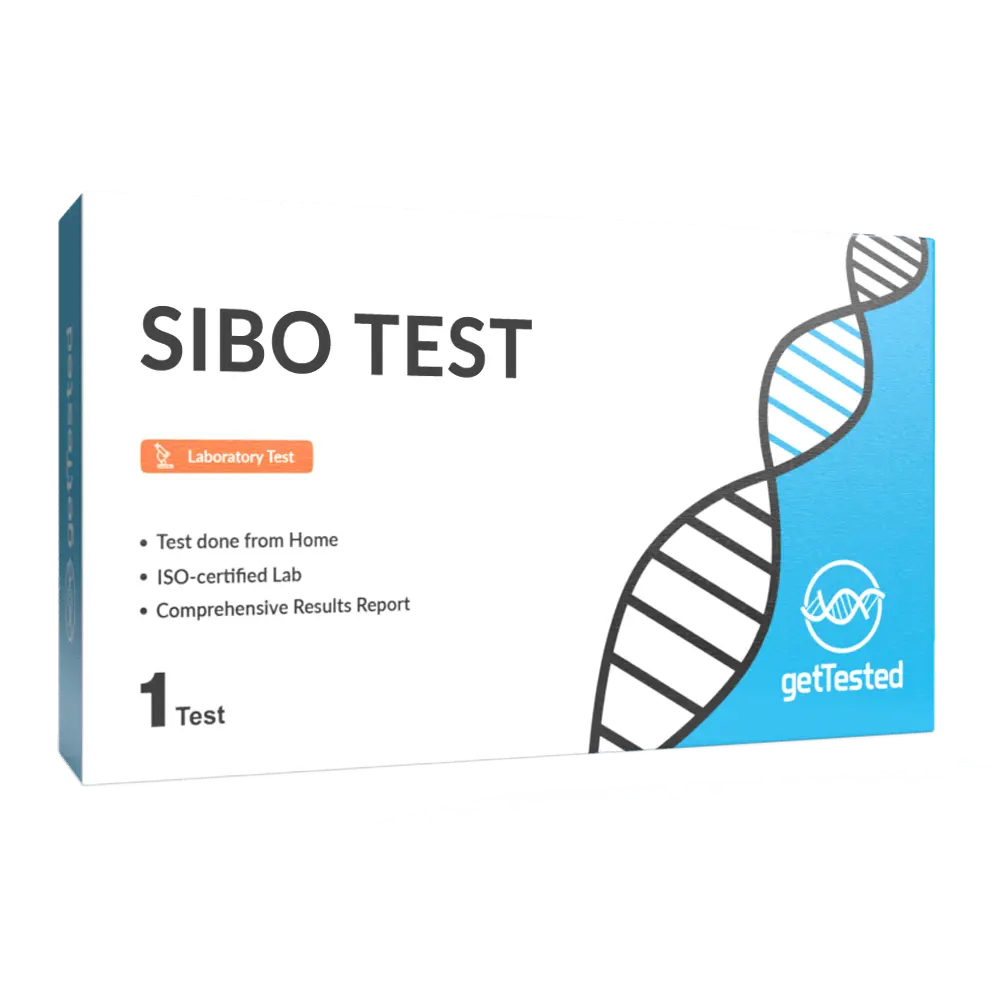
SIBO Test

About the SIBO Test
The SIBO test is recommended if you suspect a bacterial overgrowth in the small intestine. SIBO (Small Intestinal Bacterial Overgrowth) occurs when there is an increase in the bacterial population in the small intestine. These bacteria produce various degradation products such as hydrogen, carbon dioxide and short-chain fatty acids, which give rise to various gastrointestinal problems.
There are different types of SIBO that you can test for, which is why it is important to know what kind of SIBO you have. Different types of SIBO require different types of treatment methods. It is common to have several different varieties, but one of them is more dominant. Our test analyses the presence of methane gas (where different bacteria and microbes create gases) and hydrogen gas (where the bacteria ferment carbohydrates and create different types of gases). These are usually seen as the most common types of SIBO.
Symptoms of SIBO
SIBO has been theorised to be a possible cause of Irritable Bowel Syndrome (IBS). People diagnosed with IBS can benefit from testing for SIBO as studies have shown that almost 80% of these people have an overgrowth of bacteria in the small intestine. Bacterial overgrowth in the small intestine can create  problems such as:

Flatulence
Abdominal swelling
Abdominal pain or cramps
Diarrhoea
Constipation

If SIBO is left untreated, it can eventually lead to more problems such as leaky gut, depression, headaches, food intolerances, acne, fatigue or autoimmune reactions.
SIBO – how to perform the SIBO Test
SIBO is a breath test and includes 15 ml of lactulose liquid. The test measures the levels of hydrogen and methane in the exhaled air on several occasions during the day after ingestion of lactulose. This will tell if there is a bacterial overgrowth in the small intestine. You carry out the test yourself at home and then send it to our lab for analysis. 
You get the results of the test sent to you digitally, in the form of a report. This report includes recommendations on how you can proceed to treat your imbalance, in case you have a bacterial overgrowth.

Important advice before taking the SIBO Test
In order to not receive a false test result, we advise you to carefully follow the instructions given below, about what (not) to do before taking the test. 
2-4 WEEKS BEFORE THE TEST:
Wait at least four weeks if you have recently undergone antibiotic treatment, colonoscopy, barium studies, barium enemas or have had diarrhoea. Stop taking probiotics 2 weeks before the test.
7 DAYS BEFORE THE TEST:
Avoid using laxatives, laxatives and / or laxatives as well as acid scavengers containing aluminium or magnesium hydroxide.
24/48 HOURS BEFORE THE TEST:
– Foods that you CAN eat before starting your 12 hour fast: Baked or fried chicken, fish or turkey (salt and pepper only), white bread (only), plain steamed white rice, eggs, clear chicken or beef broth without vegetable pieces. Vegetarians can eat tofu with salt and pepper.– You can only drink plain water, coffee and tea (without sugar, artificial sweeteners, milk or cream).
12 HOURS BEFORE THE TEST:
– The last 12 hours are the fasting period. Ingest NOTHING except water for 12 hours before and during the test.– Unless otherwise instructed by your doctor, do not take unnecessary medicines or supplements until the test is completed.– Do not chew gum, do not eat sweets and do not use mouthwash until the test has been completed.
ONE HOUR BEFORE THE TEST:
– NO smoking (including passive smoking) for at least one hour before or at any time during the breath test.– NO sleep or strenuous exercise for at least one hour before or at any time during the breath test.– Do not use toothpaste.
Who should test for SIBO?
People with IBS, people who have difficulty breaking down carbohydrates, those with gluten intolerance / celiac disease and people who experience any of the above-mentioned symptoms, are considered suitable to test for SIBO.
However, there are other intestinal imbalances such as fungal overgrowth that can cause similar problems such as SIBO. Other gut health tests that might be of interest could be the Candida test if you also want to analyse the possible presence of yeasts, or our largest intestinal test Gut Microbiome Test XL if you are interested in doing a thorough test of your gut.
How to test for SIBO?
This test is a sibo breath test, by which you must breath through a mouthpiece into a bag, filling it slowly. You will do so multiple times. For more details, check the instructions. 
How long does it take until I get my results?
Once we receive your sample, average response time is 10-11 business days to receive results.
What causes SIBO?
Several structural problems in the small intestine can hinder its ability to deal with waste and excess bacteria. SIBO can also be caused by surgery or disease, in which case the passage of food and waste is slowed down in the digestive tract. This results in a breeding ground for bacteria. An overuse of medicine can also disrupt the balance of gut flora. 
How to treat SIBO?
The most common way to treat SIBO is with antibiotics or herbs. The test report contains recommendations for how to treat SIBO.
Not Sure This Test is for You?
If you’re still uncertain whether this test is right for you, don’t hesitate to reach out to our friendly and knowledgeable customer support team. We’re here to guide you towards the tests that best match your health concerns and objectives. You can contact us through our contact page or use our live chat for immediate assistance.

169.99 GBP
Top pick product
219 genes
Recommended
Lab Test
Saliva Tests
DNA Gut Health Test

DNA Gut Health Test from GetTested
With the DNA Gut Health test from GetTested, gain a deeper understanding of the genetic basis of your gut health. This comprehensive test is designed to provide insights into how your genes can influence various aspects of gut health, including digestion, nutrient absorption, and the composition of your gut flora.
How Does the Test Work?
You will receive a test kit delivered to your home and easily collect a saliva sample. After collecting your sample, you send it back in the prepaid return envelope. Following this, it takes 6-8 weeks to receive your results, which are delivered digitally. Consequently, the result offers a detailed genetic analysis based on the genes below.
Who Is the Test Suitable For?
The DNA Gut Health test from GetTested is perfect for those seeking a deeper understanding of their gut health at a genetic level. Firstly, this test is particularly useful for individuals aiming to optimize their diet. Secondly, it is well-suited for those experiencing digestive problems. Furthermore, it is valuable for those interested in understanding how their genes can affect their gut health.
We also offer a wide range of gut health tests that measure the gut microbiome, parasites, candida, helicobacter pylori, SIBO, food intolerances and much more.
Improve Your Gut Health with Genetics
This test not only offers a thorough genetic analysis but also provides customized recommendations based on your unique genetic makeup. By using DNA Gut Health from GetTested, you take an important step towards a better understanding and a proactive approach to your gut health.

179.99 GBP
Top pick product
1 item
Recommended
Lab Test
Stool Tests
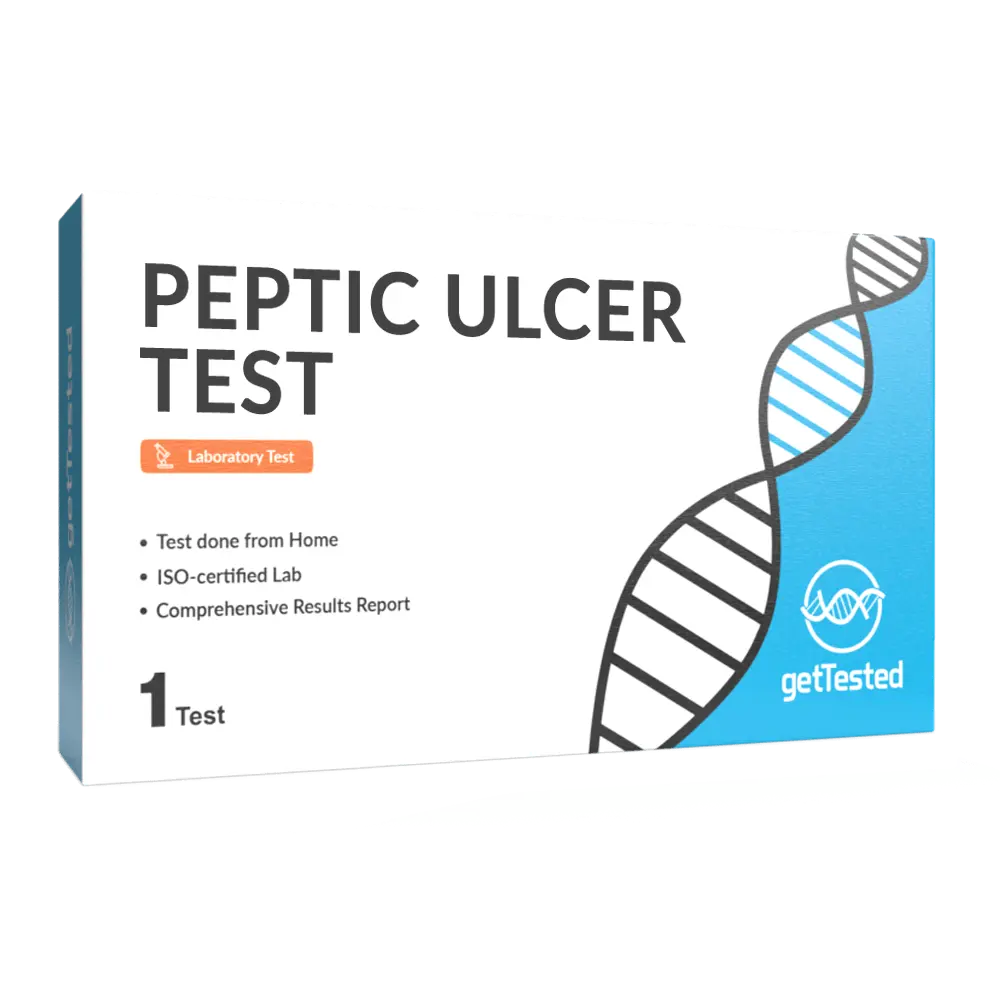
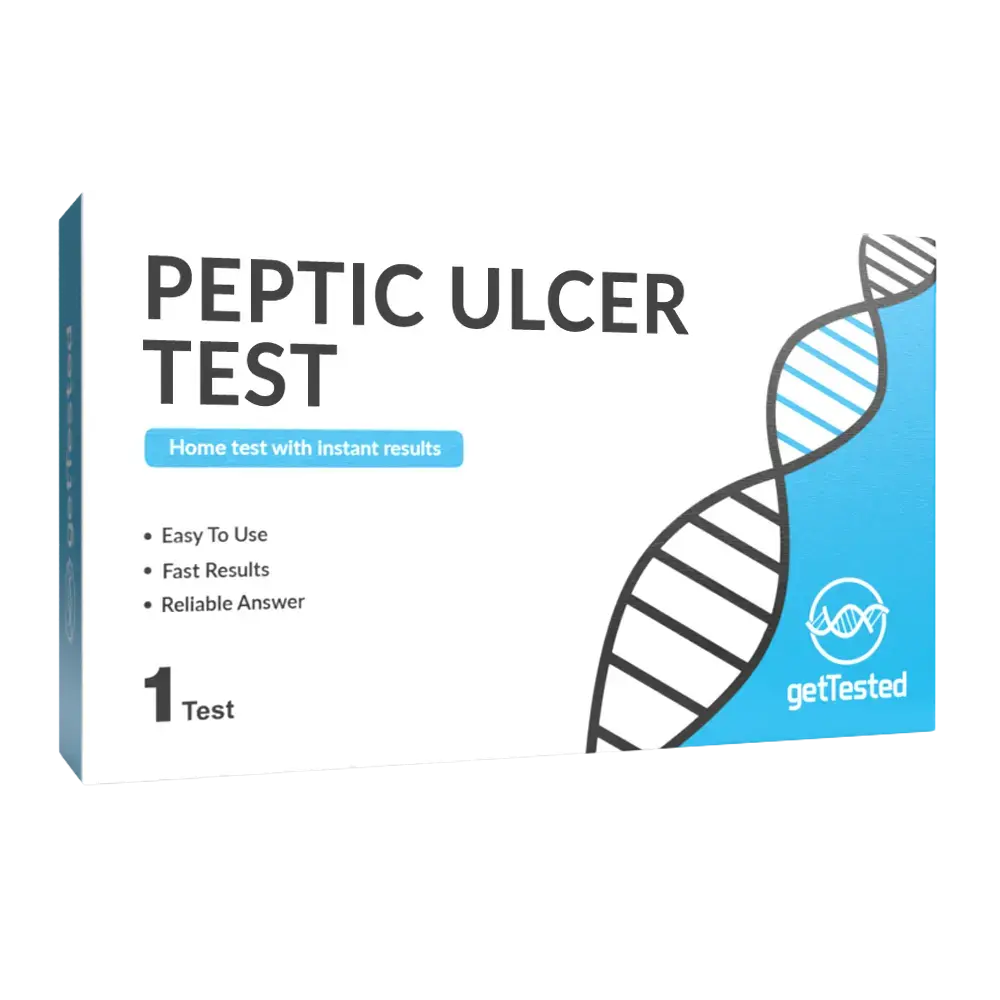
Peptic ulcer Test (H. pylori)

About Helicobacter pylori

GetTested's Peptic ulcer test tests for antigen against Helicobacter pylori (H. pylori) in the stool. H. pylori is a bacterium that can be found in the lining of the stomach. An infection with H. pylori can lead to gastritis and duodenal ulcers of varying severity. In rare cases, it can also lead to cancer in the lower part of the stomach.
However, most people with an H. pylori infection do not experience any symptoms at all. About 5% of those infected develop peptic ulcers, which is the only condition that requires medical treatment of the infection.
It is one of the world's most common infections and people are often infected when they are young and carry the bacteria with them throughout their lives. However, you can also be infected as an adult, although it is much more unusual. The infection is more common in southern and eastern countries compared to more western parts of the world.
How does the test work?
The test is a stool test that is collected at home and then sent to the lab for analysis. After you place your order, we will send you a test kit with everything you need to take the test. You get the results digitally.

48.99 GBP
Top pick product
1 item
Recommended
Rapid Test
Blood Tests
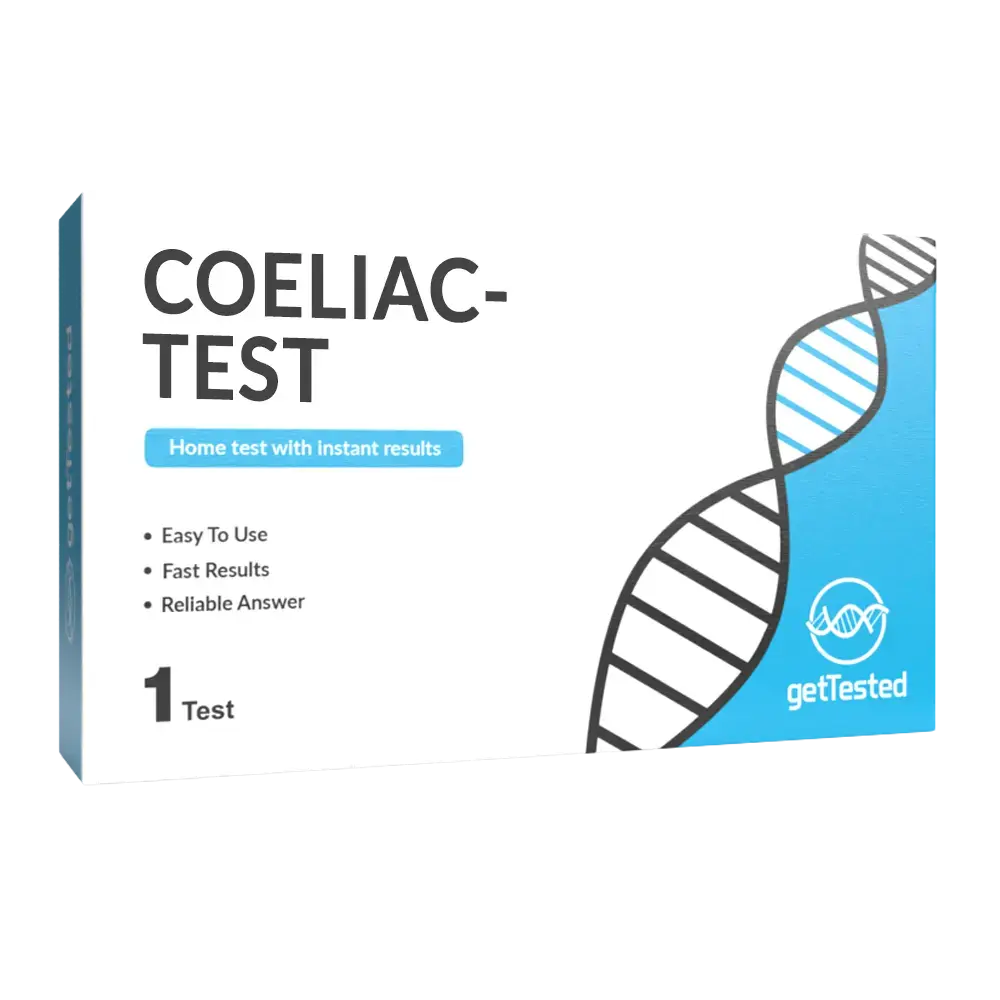
Celiac/Gluten Intolerance Test

Understanding Celiac Disease and Gluten Intolerance
Celiac disease is an autoimmune disorder that causes chronic inflammation in the small intestine, often mistaken for gluten intolerance. It triggers symptoms such as diarrhea, weight loss, bloating, and skin issues due to an adverse reaction to gliadin, a component of gluten in wheat, barley, rye, and spelt. GetTested's Celiac/Gluten Intolerance Test is designed to identify this condition accurately.
GetTested's Celiac/Gluten Intolerance Test
This test targets antibodies against deamidated gliadin peptides (anti-DGP) of classes IgA and IgG, which are pivotal for diagnosing celiac disease. Early diagnosis through GetTested's Celiac/Gluten Intolerance Test can prevent further intestinal damage and associated health complications.
Rapid Testing at Home
GetTested's Celiac/Gluten Intolerance Rapid Test efficiently detects class IgA and IgG anti-DGP antibodies in your blood, indicating a potential celiac disease presence.
Common Nutrient Deficiencies in Celiac Disease
Celiac disease can lead to various nutrient deficiencies due to the damage it causes in the small intestine, affecting nutrient absorption. Key nutrients that individuals with celiac disease often find themselves deficient in include:

Iron: Reduced absorption can lead to anemia, a common issue in celiac disease.
Calcium and Vitamin D: Essential for bone health, deficiencies in these nutrients increase the risk of osteoporosis.
Folate and Vitamin B12: Important for red blood cell formation, their deficiency can also result in anemia.
Zinc: Necessary for immune function and skin health, zinc deficiency is common in individuals with celiac disease.
Vitamin B6: Crucial for metabolism and brain function, a lack of Vitamin B6 can affect overall health and well-being.

Identifying and addressing these deficiencies through diet or supplementation is crucial for managing celiac disease and improving quality of life.
Exploring Additional Sensitivity and Intolerance Tests from GetTested
If you suspect celiac disease or gluten intolerance, other factors like allergies or various food intolerances could also be responsible for your discomfort. GetTested provides more tests, including:

Allergy Test: Identifies allergies to 38 substances, including wheat, by finding IgE antibodies in your blood.
Food Intolerance Test (80 Items): Checks for intolerances to 80 substances, such as wheat and gluten, by finding IgG antibodies.

What's Inside Your GetTested Test Kit
Your GetTested kit includes:

A test cassette and a desiccant bag inside an aluminum bag.
A plastic bag with a pipette for blood collection.
An alcohol swab.
Clear instructions for the test.
A diluent in a dropper bottle.
Sterile lancets for blood collection.

Using GetTested's Rapid Test
Follow the instructions carefully to use the sterile lancet and collect a small blood sample. Then, analyze it using the test cassette and the diluent.
Addressing Celiac Disease Globally with GetTested
Around 1% of the global population suffers from celiac disease. Due to varied symptoms, it often goes undiagnosed. Early detection and treatment with GetTested's Celiac/Gluten Intolerance Test are key for effective management. This proactive approach with GetTested ensures optimal health and well-being for those affected by celiac disease.

19.99 GBP
Content

Symptoms of IBS and Stomach Disorders

Causes of IBS and Stomach Disorders

Treatments for IBS and Stomach Disorders

Our top pick for Stomach disorders

Symptoms of IBS and Stomach Disorders

Causes of IBS and Stomach Disorders

Treatments for IBS and Stomach Disorders

Our top pick for Stomach disorders
girl-img

Understand the root cause:

Take a test today to always perform at your max

Take actions to see improvements

4

1

Select your test

Get teted Slide in black and white

Get your results

3

2

Do the test from home

Trusted by over 100.000+ customers

star-image
card-swiper-image
star-image

The home test was straightforward with easy to follow instructions. The test result was detailed and clear in its presentation. Also had the opportunity to ask questions about the test result.

Richard

card-swiper-image
star-image

We looked at a lot of companies offering the same services but made the decision to go forward with get tested because the labs are based here in the UK. The process has been very straight forward.

Natasha

card-swiper-image
star-image

There are other providers out there, I have tried 3. Gettested was the fastest and the customer service was the best. I even received my test on the day of purchase delivered by a motorbike courier.

Alan

card-swiper-image
star-image

Absolutely perfect, results came after few days and finally after a lots of times visited GP, we finally know why my son has eczema - he is allergy to carrot. Thanks a lot.

E

card-swiper-image
star-image

I found them to be professional and not too long a wait for results. Helpful with any after questions. Will be using them again if need be. I highly recommend them.

Eileen